
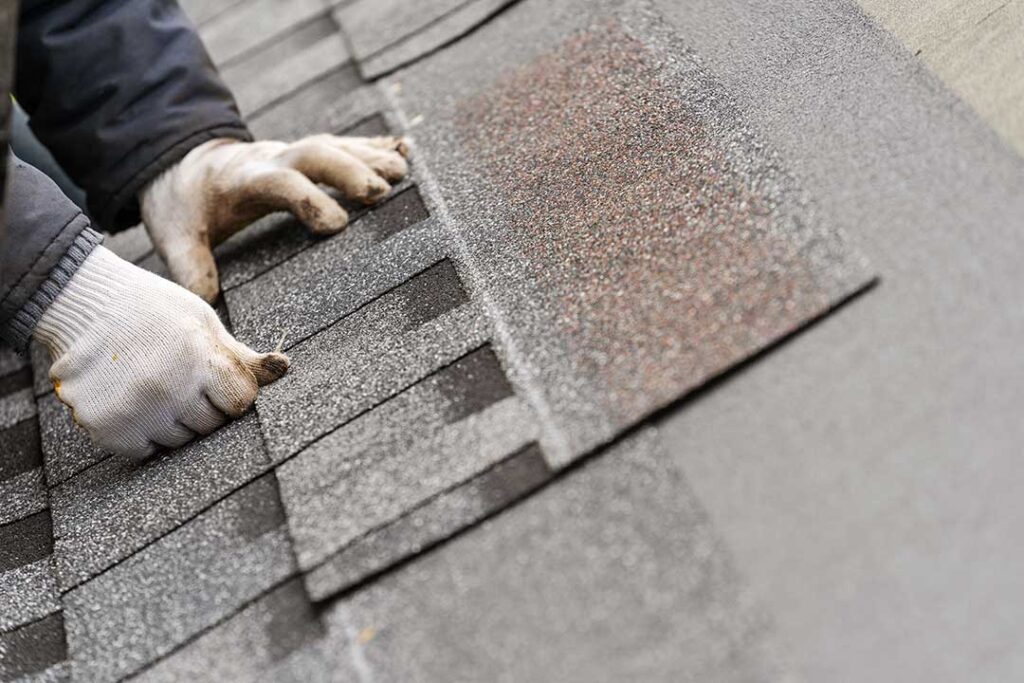
Why Should Residents in Hamburg, NY Check for Roof Damage After a Storm?
Severe storms are a regular challenge in Hamburg, NY, especially with the area's variable climate and the potential for high winds, heavy snowfall, and hail. Checking for roof damage after a storm helps protect property, prevents larger repair needs, and upholds the safety of the household. Unnoticed roof damage can quickly lead to leaks, mold, and even structural issues in local homes.
How Can You Perform a Safe Roof Inspection at Home?
Start by surveying the roof from the ground whenever possible, especially after significant wind or ice events. Avoid climbing on the roof if there is visible damage, persistent wetness, or if you’re uncertain about stability.
- Use binoculars to look for visible shingle issues or debris.
- Inspect upper-story windows to get a different vantage point.
- Check for leaks inside the attic or on ceilings right after the storm.
Residents should avoid roof access on icy, snowy, or wet surfaces, as these conditions are common in the region and can increase risk.
What Are the Most Common Signs of Storm Damage on Hamburg Roofs?
Key indicators frequently found in local homes after storms include:
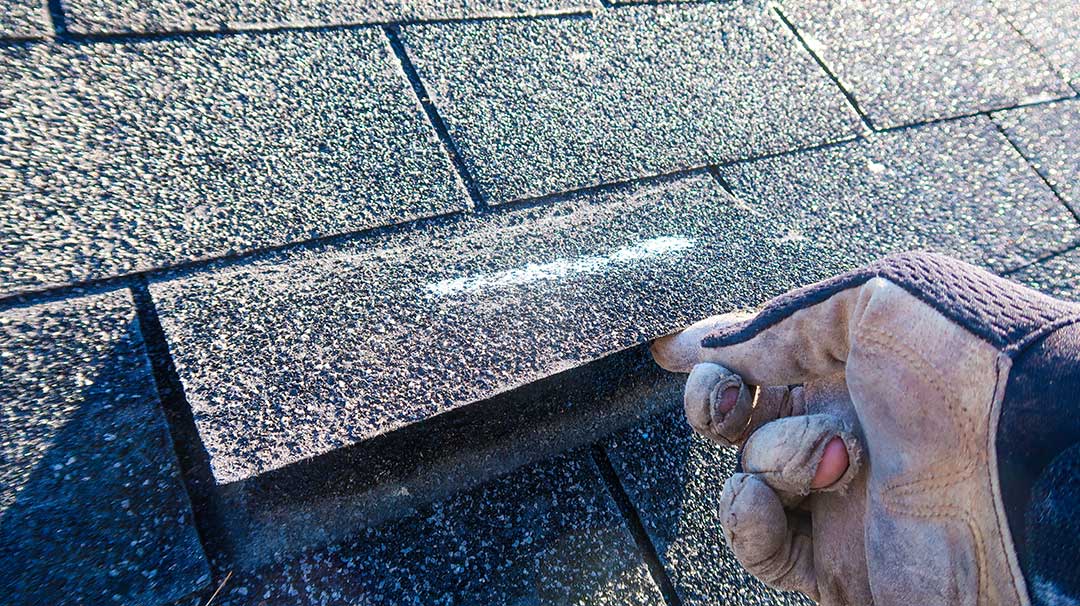
- Missing, curled, or cracked shingles, which are vulnerable to wind gusts and ice dams.
- Granule buildup in gutters, indicating shingle wear.
- Dents or divots on shingles, especially after hail.
- Flashing (the metal around chimneys and vents) that appears lifted or bent.
- Wet attic insulation or new water stains on ceilings.
- Exposed wood or underlayment due to severe shingle loss.
- Loose debris such as branches on the roof surface.
Pay attention to these signs both immediately and several days after a storm, as some effects appear after snow or water starts to melt and find its way in.
What Local Factors Make Storm Damage More Likely?
The climate in Hamburg—marked by frequent lake-effect snow, rapid freeze-thaw cycles, and strong windstorms—creates unique challenges:
- Heavy snow can strain older or weaker roofs, sometimes causing sagging.
- Ice dams form along the roof edge when melting snow refreezes, sending water under shingles.
- Strong gusts may dislodge shingles or cause branches to strike the roof.
Homes with mature trees nearby or aging roofing materials tend to be most at risk. Additionally, roofs that were installed more than 15-20 years ago may not perform as well under local weather extremes.
Can Minor Storm Damage Be Overlooked?
It’s common for small issues—such as a single lifted shingle, faint water stains, or loose flashing nails—to go unnoticed. Overlooking these details is risky in this area, since minor flaws introduced by storms can allow water intrusion, especially when the spring thaw or another bout of rain arrives.
Regular inspections after storms and throughout the change in seasons help catch these problems early, before they impact insulation, drywall, or the structural elements within the attic.
How Should Gutters and Downspouts Be Checked After a Storm?
An often-overlooked step is inspecting gutters and downspouts for excessive debris, separation, or overflow. These elements are critical to directing water safely away from the home. Signs of storm impact may include:
- Gutters pulled away from the fascia board
- Dented or disconnected downspout sections
- Clogged gutters filled with shingle granules
Ensuring gutters work as intended is especially relevant in Hamburg, where snowmelt and rain can be heavy in spring. Proper flow prevents water from pooling at the foundation or leaking into basements.
Is It Necessary to Enter the Attic When Checking for Storm Damage?
A quick attic check adds a valuable layer of certainty—especially in the days after a storm. Look for:
- Damp wood or insulation
- Visible daylight through the roof boards
- New or expanding water stains
Small leaks that go undetected in the attic can evolve into larger interior problems (like peeling paint or sagging ceilings) over a few days or weeks.
What Should You Document During a Roof Check?
Keep a record of any damage found, as climate trends in Hamburg sometimes produce clusters of severe weather that can cause cumulative problems. Use a phone or camera to photograph:
- Damaged shingles, flashing, or vents
- Gutter or downspout issues
- Interior evidence like attic moisture or ceiling stains
A clearly dated visual record is helpful if you later need to discuss issues with neighbors, local resources, or, if necessary, insurance.
Are There Times When a Roofing Professional Should Be Called?
Most roof conditions can be visually assessed by area residents from the ground or attic. However, some scenarios make seeking professional help the safest option:
- There are widespread missing shingles, extensive leaks, or visible structural sagging
- The roof surface is icy, steep, or visibly weakened
- Electrical lines are down near the house
For urgent or potentially hazardous damage, prioritizing safety is essential.
