
How Does Sun Exposure Affect Roofing Materials?
Sunlight brings warmth and light, but constant exposure can slowly wear down the materials covering a roof. Ultraviolet (UV) rays from the sun deteriorate roofing surfaces over time, regardless of the material. For homes in Hamburg, NY, which experience sunny summers along with severe winters, this gradual wear may look different than in other regions—but the underlying science is the same.
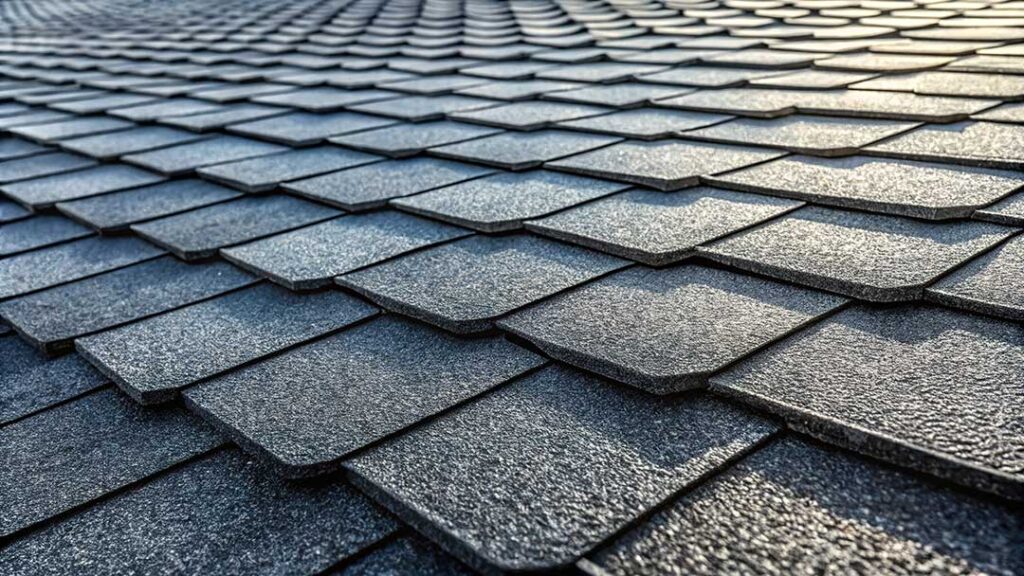
The sun’s energy breaks down the chemical bonds in roofing materials. Asphalt shingles, the most common roofing choice for area homes, become brittle, fade in color, and may develop surface cracks after years of UV exposure. Wood shakes lose their natural oils and dry out, while synthetic and rubber-based roofs can warp or lose flexibility. Metal roofs fare better against UV, but paint finishes may chalk or fade over time.
Why Do Some Roofs Age Faster Than Others?
A roof’s lifespan in the community depends on both its exposure and its ability to resist UV radiation. Direct, unobstructed sun hastens aging, especially on south- and west-facing slopes, which receive the most intense afternoon and evening sunlight. Neighborhoods with mature shade trees notice less UV damage—roofs shaded by branches can last longer and maintain their color.
Humidity, temperature swings, and winter snow piles all interact with UV damage. In Hamburg, the freeze-thaw cycles and heavy snow common to the area can open micro-cracks started by sun exposure, making them worse. Meanwhile, homes with dark-colored shingles will absorb more heat from the sun, sometimes reaching temperatures high enough to accelerate the breakdown of the asphalt and adhesive layers beneath.
What Are the Visible Signs of Sun Damage?
Recognizing early signs of sun-related aging helps households address problems before they lead to leaks or major repairs. Typical signs include:
- Curling or cupping shingle edges, as loss of moisture and plasticizers causes materials to shrink.
- Discoloration and fading, especially in patches on the sunniest sides of the roof.
- Surface cracking and granule loss on asphalt shingles.
- Streaks or smooth shiny areas where the protective granules have worn away.
- Warping, chalking, or peeling paint on metal roofs.
These changes happen slowly. Most Hamburg residents first notice or worry about them during routine cleaning, after clearing gutters, or following a particularly hot summer.
Is Sun Damage Preventable or Reversible?
While UV rays are impossible to block entirely, there are practical ways to slow down sun damage:
- Choosing quality roofing materials with built-in UV inhibitors helps resist the effects of sunlight.
- Light-colored shingles reflect more light and stay cooler, slowing the breakdown process.
- Ensuring adequate attic ventilation allows heat to escape, reducing strain on the roof surface.
- Shaded yards, whether from trees or neighboring houses, naturally reduce exposure and aging.
However, once UV damage has occurred—such as faded or brittle shingles—it can’t be reversed. Repairs or replacements are needed if materials are too worn or begin to let moisture in. Applying sealants or roof coatings extends the life of some surfaces but is typically more suitable for flat or low-slope roofs.
How Does Sunlight Interact With Other Local Weather Factors?
In Hamburg, the combination of summer sun and winter cold creates unique pressures on roofs. UV exposure makes materials more vulnerable just before the arrival of snow and ice. For example:
- Shingle weakness or cracks caused by the sun become entry points for water during snowmelt and the freeze-thaw cycle.
- Older, sun-baked caulks and flashing may lose their flexibility and fail during rapid temperature drops.
- Moss or algae, more common in shaded, moist areas, grows faster on cooler roof sections—paradoxically, the sunniest spots may be less prone to these issues but more at risk of drying and cracking.
Local building codes encourage using durable materials that withstand these cycles. Hamburg homeowners often choose roofing products designed for both UV resistance and cold weather performance.
What Common Misconceptions Do Homeowners Have About Sun Exposure and Roofing?
Sunlight-related roof damage is sometimes misunderstood, leading to misplaced worries or ineffective solutions. Some misconceptions include:
- Believing that new roofs are immune to UV damage; all materials are affected, though rates vary.
- Assuming that rain washes away UV damage; in fact, moisture and sun together can speed deterioration.
- Overestimating the benefit of dark shingles in resisting cold; they absorb more heat but may age faster.
- Thinking that only the uppermost layer matters; underlayment and decking can also suffer from repeated heating and cooling.
Practical awareness means knowing that while the sun is only part of the equation, it is a factor that accumulates year after year.
What Practical Steps Should Residents Take?
Routine inspection and regular maintenance help catch sunlight-related damage early:
- Look for faded, cracking, or curling shingles during seasonal checks.
- Remove debris that might shade certain roof parts unevenly, as this leads to uneven wear.
- Balance the benefits of shade from trees with the need to clear leaves and branches that could trap moisture.
- Maintain attic insulation and ventilation to stabilize roof temperatures throughout the year.
Hamburg’s mix of bright summers and cold winters makes addressing both sun and weather damage a sensible part of responsible home care.
