

What Happens If Roof Repairs Are Delayed?
Postponing needed roof repairs can set off a chain reaction of problems that often become more complex and expensive as time passes. For homes in Hamburg, NY, the mix of freeze-thaw cycles, heavy lake-effect snow, and wind-driven rain can quickly turn a small problem into serious damage. Even minor roof leaks or missing shingles may lead to unexpected consequences if left unaddressed.
Can Minor Roof Damage Really Cause Bigger Issues?
Yes, even small issues can escalate in unexpected ways. What may look like a harmless water stain or a single missing shingle can be a sign that water is already infiltrating your home. Once moisture seeps under the roofing material, it can:
- Weaken wood decking and rafters, increasing the risk of sagging or structural compromise
- Saturate insulation, drastically reducing its effectiveness and raising heating costs for local households
- Create the perfect conditions for mold growth in attics and walls, posing a health risk—especially during humid Hamburg summers
Early action can prevent a simple repair from ballooning into a full roof replacement or even interior reconstruction.
How Can Neglected Roof Repairs Impact Homeowner Expenses?
Neglecting timely roof repairs often leads to higher long-term costs. While it’s tempting to delay maintenance in hopes of saving money, the opposite is usually true in the context of home upkeep.
- Water that enters through damaged roofing can ruin ceilings, drywall, flooring, and personal possessions—costing far more than the initial fix
- Chronic leaks commonly undermine energy efficiency, raising monthly utility bills during Hamburg’s long winter heating season
- Advanced damage to the roof structure may require specialized repairs, which come at a premium
For area homeowners managing budgets, consistent maintenance usually prevents larger unplanned expenses down the line.
Are There Hidden Dangers to Skipping Repairs?
Beyond financial risks, neglecting roof maintenance can have hidden safety and health consequences. Prolonged moisture exposure creates ideal breeding grounds for attic mold, which can then circulate through home ventilation systems. Mold is a well-known trigger for allergy and asthma symptoms, particularly concerning for families with children or older adults.
Additionally, unnoticed roof weakness may pose a risk during heavy snow or windstorms typical in western New York. Sudden roof failure is rare but can occur if years of small leaks and damage accumulate undetected.
What Are the Most Overlooked Consequences of Ignoring Roof Problems?
Many residents aren’t aware of how interconnected roof health is with other parts of a building. Some overlooked impacts include:
- Damage to electrical wiring hidden within attic spaces, which water can corrode or short-circuit
- Interior pests such as rodents or insects finding easy entry points in areas with missing or warped shingles
- Increased risk of ice dam formation along eaves—especially in older Hamburg neighborhoods where insulation is less uniform
Unchecked repair needs may also reduce a home’s appraisal value, making future resale more challenging.
How Do Seasonal Weather Patterns Make Timely Repairs Even More Important?
Hamburg’s weather puts distinctive pressure on local roofs. Wide temperature swings, lake-effect snow loads, and powerful wind gusts accelerate the wear-and-tear of roofing materials. Fall and spring are especially revealing times for roof problems:
- Heavy autumn rains can exploit even the smallest flaw left after summer weather
- Ice buildup in winter can force water back under shingles, worsening any existing weakness
Addressing minor roof issues before seasonal extremes is the most dependable way to avoid repair emergencies typical during storms or prolonged precipitation in the area.
Is DIY Roof Repair a Safe Option for Common Problems?
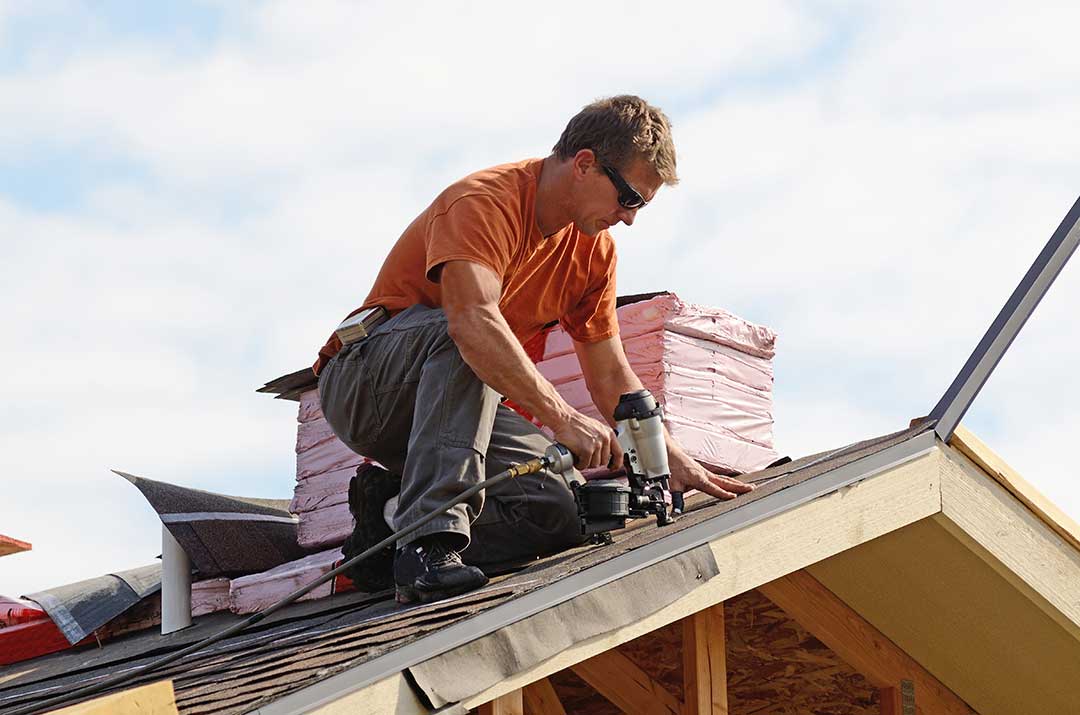
For some residents, simple fixes like replacing a single shingle or resealing a vent may seem accessible. However, rooftop work in any season involves significant risk—slippery surfaces, unpredictable weather, and structural surprises can quickly make minor repairs hazardous. If there is visible sagging, signs of mold, or if the roof is steep or hard to access, personal safety should come first.
Only those confident in their ability to work safely at heights and assess the scope of visible damage should attempt hands-on repairs. Unaddressed issues, improper patches, or incomplete fixes may unintentionally make problems worse or void home insurance coverage.
What Practical Steps Can Residents Take to Minimize Risk?
Preventing serious roof problems is often about simple vigilance and routines:
- Inspect from the ground after storms or wind events—look for lifted shingles, displaced flashing, or sagging areas
- Check attic spaces for damp insulation or the musty odor of hidden leaks
- Clear gutters and downspouts in the fall and spring to help prevent ice dams and water backup
Many local households find that setting a reminder for a twice-yearly check—at the end of winter and again before autumn—makes ongoing maintenance more manageable.
