

Why Is Choosing a Roofing Contractor Carefully So Vital?
Selecting a roofing contractor is a major decision for homeowners in Hamburg, NY due to the region’s weather challenges and the long-term implications for property safety and value. Quality of work, material choices, and trustworthiness can vary dramatically across contractors, making it critical to approach the selection process thoughtfully.
What Questions Should Residents Ask Before Deciding?
Start by directly asking about experience, licensing, and process. A well-informed homeowner reduces the risk of overlooking crucial issues:
- Are you licensed to work in this area, and is your licensing current?
- Can you provide evidence of insurance for both liability and workers’ compensation?
- What is your process for handling permits and local code requirements?
- How have you addressed unpredictable weather delays in previous projects?
Getting clear, direct answers helps set expectations and surfaces any red flags early.
How Does the Local Climate Affect Roofing Needs?
Homes here face significant winter snowfall, ice accumulation, and occasional windstorms, putting year-round strain on roofing systems. Contractors with specific experience working in local conditions understand the importance of:
- Proper attic ventilation to minimize ice damming
- Deep knowledge of materials that handle freeze-thaw cycles
- Installation of water and ice shields in roof valleys and edges
A practical example: some materials that work well in milder climates may crack or warp after just a few Hamburg winters. A contractor familiar with local housing stock can steer residents toward solutions that stand up to these unique weather challenges.
What Documents and Proofs Should Residents Request?
Before work begins, always obtain:
- Proof of active local licensing and insurance (not just a verbal claim)
- Written description of the proposed work, materials, and timeline
- Comprehensive contract with detailed warranties: labor, materials, and any manufacturer guarantees
Avoid contractors who resist documentation or provide only vague promises. Reputable professionals are used to these requests and provide documents without hesitation.
How Can Residents Recognize Unethical Practices?
Unfortunately, roofing scams do happen—especially after major storms or wind events. Be cautious of:
- High-pressure sales tactics or "deals" that require immediate commitment
- Demands for large cash payments before any material is delivered
- Lack of a physical office or verifiable local references
- Reluctance to address questions about subcontractors or crew composition
Residents should also be wary of intentionally vague language in contracts, and of contractors who do not openly discuss potential change orders or how unexpected issues are handled.
Why Is Comparing Multiple Options Worth the Time?
Gathering more than one proposal allows homeowners to spot major differences in recommended materials, warranties, and approach. During this process:
- Ask for proposals in writing, not just verbal estimates
- Take note of how each contractor explains their reasoning and materials
- Compare warranty details, timeline projections, and what is excluded as well as included
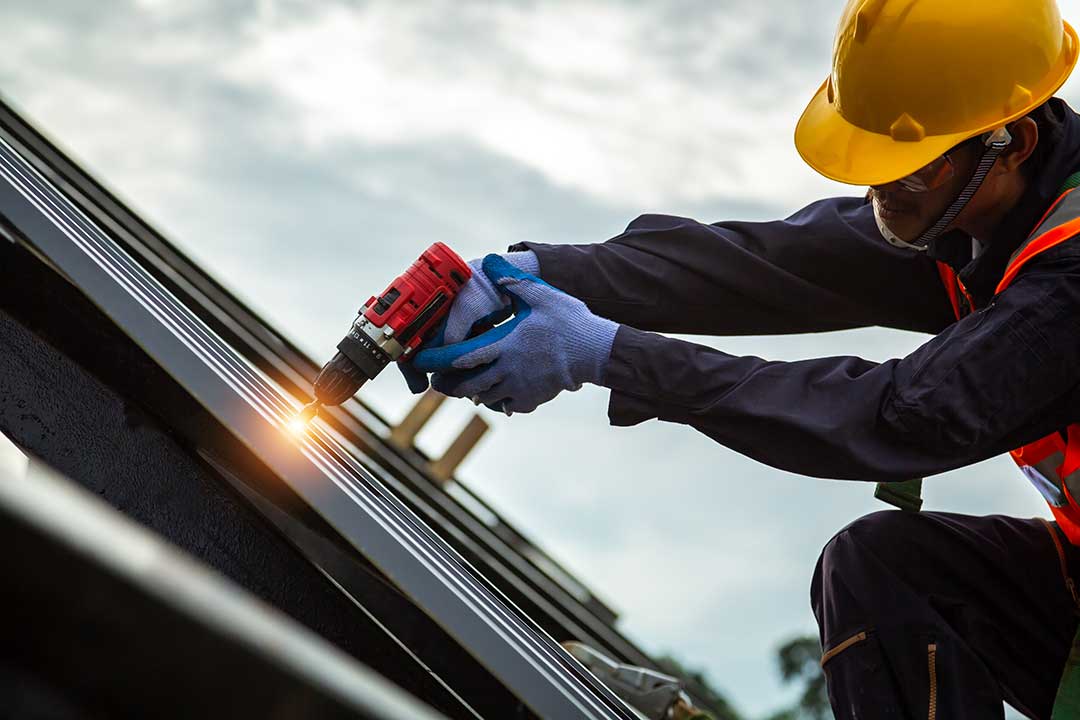
This isn’t just about price. Two similar-looking bids might have dramatic differences in workmanship standards or materials. Careful comparison reveals which contractors are thorough versus which may be cutting corners.
Are Local References Essential?
Checking recent references provides valuable insight into reliability, timeliness, and post-installation support. Ask references:
- Was the project finished on schedule and budget?
- How did the contractor handle communication during the project?
- Was cleanup thorough and complete?
- Have there been any issues with the roof since, and if so, how were they addressed?
Don’t rely solely on online review platforms—aim to connect with past clients who live locally and have a similar type of roofing or home style.
What Is Often Overlooked During Contractor Selection?
A few frequently missed—but important—factors include:
- Ensuring the contractor is familiar with homeowner’s association requirements or historical district guidelines, if applicable
- Asking about post-project care, including who to contact for any issues
- Clarifying where debris will be placed during the project and how landscape protection is handled
- Confirming that any plywood sheathing replacement, if necessary, is included in your quote
Some homeowners overlook the need for ongoing maintenance advice; a reliable contractor will offer clear information about keeping the new roof in top condition.
What Are Some Common Misunderstandings?
Many homeowners believe the biggest risk is simply choosing the cheapest offer, but costs can escalate quickly with unexpected repairs or inferior installation. Another common misconception is that all contractors working locally have proper permits or insurance—unfortunately, this is not always true.
Believing an extended warranty automatically means hassle-free service is another misconception. Carefully reading warranty documents is crucial to understanding coverage limitations or steps required to keep the warranty valid.
How Long Should the Selection Process Take?
While urgent storm damage can sometimes make delays costly, most replacements allow a window of time for careful vetting. Homeowners should set aside at least a week or two to research, consult with several contractors, and check references. Rushed decisions increase the risk of poor quality or disputes down the line.
