
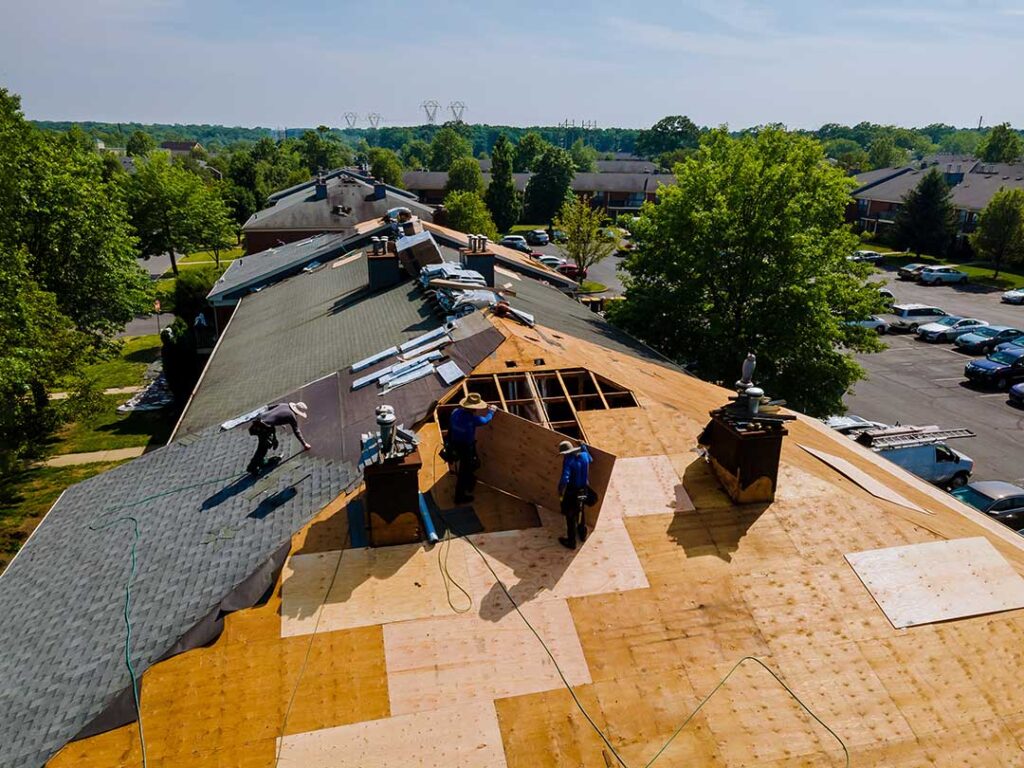
Autumn is the best time to inspect and prepare a roof before cold temperatures, wind, ice, and snow make minor problems harder to identify. For households in Hamburg, NY, fall maintenance should focus on drainage, damaged roofing materials, attic moisture, tree debris, and safe preparation for changing weather.
Why does fall roof maintenance matter?
Fall weather exposes roof weaknesses before winter adds heavier demands. Leaves and small branches can block gutters, freeze-thaw cycles can enlarge cracks, and strong winds can loosen shingles or flashing. A small opening that causes only a minor leak during rain may allow substantial moisture into insulation and framing after repeated snow and ice.
The region’s late-fall weather can shift quickly between rain, wet snow, wind, and freezing temperatures. That makes it useful to complete inspections while surfaces are still generally accessible and daylight lasts longer.
What should homeowners inspect from the ground?
A ground-level inspection can reveal many problems without walking on the roof. Use binoculars if needed, and look for:
- Shingles that are missing, curled, cracked, lifted, or visibly displaced
- Dark patches or areas where the roof surface appears uneven
- Exposed nails, loose flashing, or gaps around vents and chimneys
- Sagging sections along the roofline
- Gutters that are pulling away from the fascia
- Downspouts that discharge against the foundation
- Large branches resting on or rubbing against the roof
- Moss, algae, or heavy leaf buildup in shaded areas
A few loose granules in a gutter are not necessarily an emergency, especially on an older asphalt-shingle roof. A large accumulation of granules, however, may indicate accelerated surface wear. Likewise, a small amount of moss is different from thick growth that lifts shingle edges and holds moisture against the roof.
Do not climb onto a wet, frosty, or steep roof for a seasonal inspection. Fall leaves, dew, and early ice can make roof surfaces unexpectedly slippery.
How should gutters and downspouts be prepared?
Gutters should be cleared before leaves become saturated and compacted. Wet leaves can form dense blockages that prevent water from reaching the downspouts. When temperatures fall below freezing, trapped water can expand and add weight to the gutter system.
After removing debris, check whether water can move freely through each downspout. A downspout should direct water away from the foundation rather than releasing it directly beside the house. Extensions or splash control may be useful where roof runoff collects near basement walls, crawl spaces, or areas prone to erosion.
Look for:
- Separated gutter joints
- Sagging sections
- Loose spikes, hangers, or fasteners
- Rust holes or cracks
- Downspout connections that have come apart
- Overflow marks on the fascia or siding
Gutter guards do not eliminate maintenance. Leaves, pine needles, roof granules, and small particles can still collect on top of or beneath them, so the system should be checked rather than assumed to be clear.
What roof problems should be repaired before winter?
Some defects deserve attention before the first significant snow or extended freeze. These include active leaks, exposed roof decking, missing shingles, open seams, damaged flashing, and areas where the roofline is sagging.
Pay special attention to roof penetrations. Plumbing vents, chimneys, skylights, exhaust fans, and attic ventilation components create openings that depend on properly installed flashing and sealant. Water stains near these areas do not always appear directly below the source because moisture can travel along rafters or roof decking.
Inside the home, inspect attic spaces and upper-floor ceilings for:
- Brown or yellow water stains
- Damp insulation
- Musty odors
- Visible mold growth
- Daylight showing through the roof deck
- Frost or moisture on roof framing during cold weather
- Peeling paint near ceiling edges
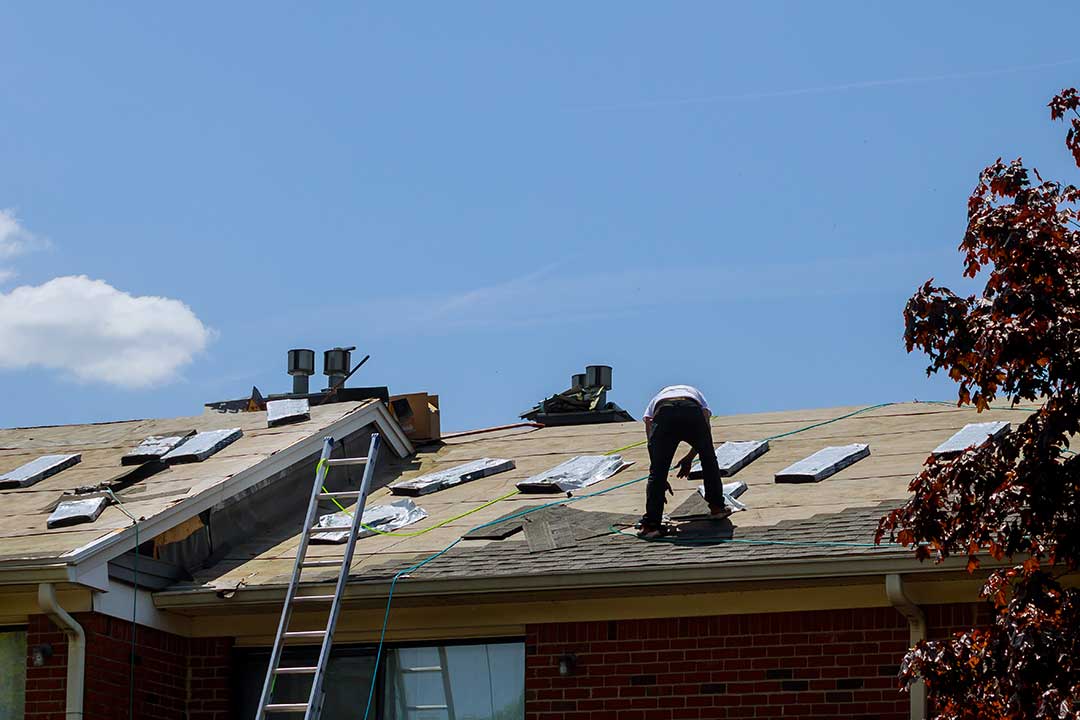
A ceiling stain may remain visible long after a leak has stopped, so the stain alone does not show whether the problem is current. Moisture, odor, or fresh discoloration provides more useful evidence.
Should leaves and branches be removed from the roof?
Yes, but only when removal can be done safely from the ground or from a stable, appropriate position. Leaves trapped in valleys, behind chimneys, and along roof-to-wall transitions can hold moisture against roofing materials. Branches can scrape shingles during windy conditions and may damage the roof if they fall.
Avoid using a pressure washer, stiff brush, or harsh chemical treatment on shingles. These methods can remove protective granules or damage the surface. Never pull on branches that are lodged in power lines or attached to unstable limbs.
Trees near the house should also be evaluated for dead, cracked, or overhanging branches before winter storms. The concern is not only direct roof impact; falling branches can damage gutters, siding, vents, and nearby utility equipment.
How can attic ventilation and insulation reduce winter roof problems?
Proper attic ventilation and insulation help control heat and moisture, but they do not replace roof repairs. Warm, moist air entering an attic can condense on cold roof surfaces. Uneven attic temperatures can also contribute to snow melting on upper roof areas and refreezing near colder eaves, where ice buildup may obstruct drainage.
Check that insulation is not blocking soffit ventilation openings. Bathroom and kitchen exhaust fans should discharge outdoors through properly connected ducts rather than into the attic. Attic vents should be intact and free of nests, leaves, and other obstructions.
A common misconception is that more attic ventilation automatically solves every ice problem. Ventilation works as part of a system that also includes air sealing, insulation, and proper exhaust routing. Poorly sealed attic hatches, recessed lights, plumbing penetrations, and duct connections can allow significant moisture into the attic.
Is it necessary to remove snow from a residential roof?
Most homes do not require routine snow removal after every storm. Roofs are designed to carry expected loads, but unusual conditions can create hazards, particularly where snow drifts, ice accumulates, or heavy wet snow remains for an extended period.
Watch for warning signs such as:
- New or worsening roof sag
- Doors or windows that suddenly stick
- Cracks in ceilings or interior walls
- Loud popping or creaking from the structure
- Gutters pulling loose
- Snow sliding in large sheets from one roof area
Do not climb onto a snow-covered roof or use improvised tools from a ladder. Snow and ice can fall without warning, and improper removal can damage shingles or flashing. Structural warning signs require prompt attention because the issue may involve more than surface roofing.
What is a useful fall roof maintenance schedule?
A practical approach is to inspect the roof and drainage system at three points:
1. Early fall: Check shingles, flashing, vents, trees, gutters, and attic conditions.
2. After most leaves have fallen: Clear drainage paths and look for hidden damage.
3. After the first major wind or snow event: Recheck the roofline, gutters, downspouts, and interior ceilings.
Keep a simple record of stains, loose materials, or recurring overflow locations. Comparing conditions from one season to the next can help distinguish normal aging from a developing problem.
For residents, the most valuable fall preparation is not cosmetic cleaning. It is making sure water can leave the roof, roofing materials remain secure, attic moisture is controlled, and unsafe conditions are recognized before winter weather arrives.
