
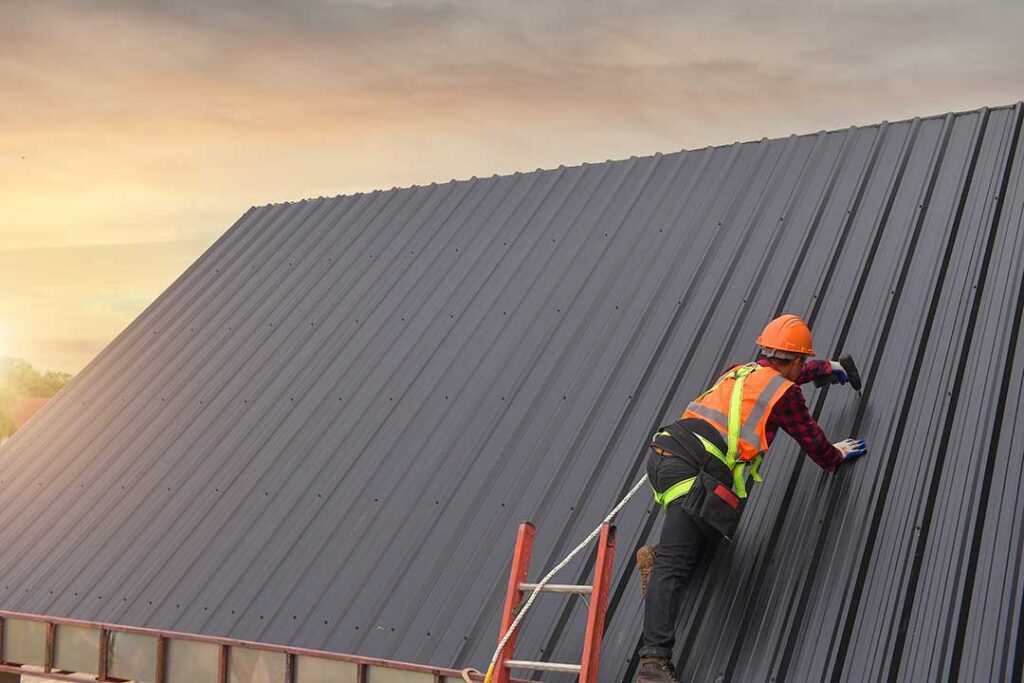
Does a Roof Last As Long As Its Warranty Suggests?
Most residents assume a roof will last exactly as long as its warranty, but that's rarely the case. Warranty terms are best-case estimates under ideal conditions, not guarantees for Hamburg’s varied climate.
Often, factors like ice dams, rapid temperature swings, and wind-driven snow can reduce the service life of asphalt shingles on area roofs. Many local roofs need preventative repairs well before the warranty ends, especially after severe storms or repeated freeze-thaw cycles. Keeping gutters clear and identifying shingle damage early helps extend a roof’s life but won’t override the impact of the region’s weather.
Is It True That All Roof Leaks Mean Complete Replacement?
Not every leak signals a failing roof in the community. Small, isolated leaks—caused by flashing issues around chimneys, skylights, or vents—can often be repaired without a full replacement.
Some common causes of leaks such as lifted shingles, loose nails, or failed caulk can be corrected in only the affected area. However, if leaks are widespread, or if age and wear mean multiple trouble spots, replacement might be needed for proper protection.
Do Dark-Colored Roofs Stay Warmer in Hamburg’s Winters?
Many local homeowners believe darker shingles make a difference in winter warmth. While it’s true dark materials absorb more sunlight, in reality, most heat loss from a house escapes through the ceiling and attic—not the roof surface.
Proper attic insulation and air sealing matter far more than shingle color for energy savings during cold seasons. The difference in snow melt (and possible ice dam risk) from shingle color is usually minor compared to how well the home is insulated.
If a Roof Looks Fine from the Ground, Is it Really Fine?
Judging roof condition from a driveway or sidewalk view can be misleading—especially given Hamburg’s tall trees and variable weather conditions.
Many issues that affect performance, like worn granules, small cracks, soft spots, or lifted shingles, are invisible from a distance. Regular checks after winter storms or heavy winds, along with routine attic inspections for trapped moisture, offer a more accurate picture.
Will Adding a New Layer of Shingles Fix Deeper Roof Issues?
Adding shingles over existing ones (sometimes called “roof-overs”) is only a surface fix and does not resolve structural problems beneath.
If the underlying wood is soft, rotted, or warped—a risk with older homes in shaded or damp parts of the community—layering new material can trap moisture and speed up deterioration. A full tear-off uncovers the substrate, allowing for proper repair and ventilation, which prevents lasting damage and costly issues.
Is Roof Ventilation Only for Hot Weather?
Some residents think roof ventilation is mainly useful for summer cooling. Yet, adequate airflow is crucial year-round.
Proper ventilation reduces moisture buildup in the attic during the cold season, which can otherwise contribute to mold growth, insulation clumping, or premature shingle decay. Effective ventilation works alongside insulation to keep the attic temperature stable, reducing the risk of ice dams—a frequent winter issue for area homes.
Are Metal Roofs Always Noisy in Bad Weather?
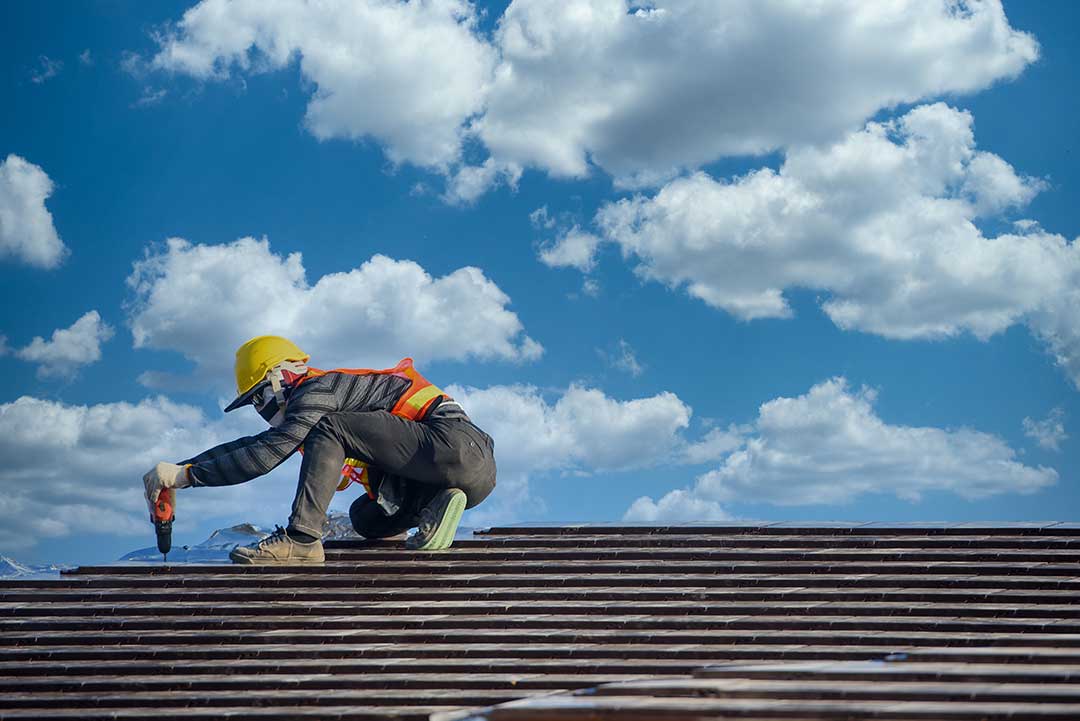
A common worry, especially in neighborhoods with mature trees, is that metal roofs will be uncomfortably loud during rain or hail.
In reality, most modern metal roofs installed with solid sheathing underneath are no noisier than asphalt shingles. The sound level largely depends on attic insulation and the roof’s construction, not just the roofing material itself.
Does Moss or Algae Growth Always Indicate Roof Failure?
Moss, lichen, or dark streaks from algae can appear on many local roofs due to shade from trees and our humid summers. While unattractive, these growths don’t automatically mean the roof is failing.
Moss and lichen can retain moisture, potentially causing shingle wear over time, but the main concern is persistent buildup—not just the appearance. Gentle cleaning, improved roof sunlight exposure, and maintenance can help manage minor growth before it creates bigger problems.
Are All Roofing Materials Suitable for the Local Climate?
Not every roofing option sold in wider markets is ideal for the area’s specific freeze-thaw cycles, storm frequency, and lake effect snow.
Materials like standard three-tab shingles may struggle with wind uplift or ice dam formation compared to architectural shingles or other designs built for four-season durability. Local building codes and neighborhood trends may also influence suitable choices, especially regarding snow loads and water resistance.
Can Roofing Be Safely Tackled as a DIY Project?
While it can be tempting to patch up a roof, local conditions make roofing work risky for untrained homeowners—particularly with slippery surfaces, steep pitches, or unpredictable weather.
Tasks like full replacements, complex repairs, and work near power lines are better left for those with safety training and equipment. For small fixes such as re-securing a loose shingle on a safe, easily accessed area, caution is still needed to avoid personal injury or further damage.
