
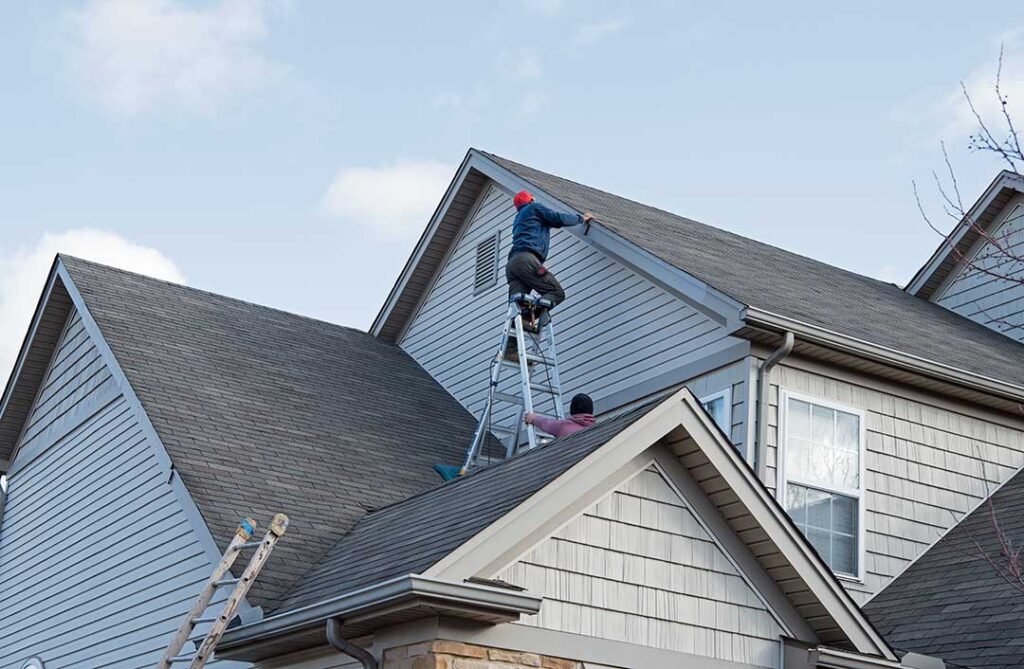
Roof flashing is the thin material installed around roof features where water is most likely to collect, change direction, or find a pathway indoors. It is commonly placed around chimneys, plumbing vents, skylights, roof valleys, walls, and roof edges.
For homes in Hamburg, NY, flashing matters because roofs must handle repeated cycles of rain, snow, ice, wind, and temperature changes. Even when shingles appear to be in good condition, damaged or poorly installed flashing can allow water to enter through small gaps.
What is roof flashing?
Roof flashing is a water-shedding barrier, usually made from metal or another durable weather-resistant material. Its purpose is not to cover the entire roof. Instead, it protects the vulnerable joints where two surfaces meet.
A roof is generally most exposed at transitions such as:
- Where a sloped roof meets a vertical wall
- Where a chimney passes through the roof
- Where a plumbing pipe extends above the shingles
- Where two roof sections form an inside corner or valley
- Where a roof meets a skylight, dormer, or sidewall
- Along certain roof edges and eaves
These locations are difficult to waterproof with shingles alone. Flashing guides water over or around the joint and back onto the roof surface, where it can drain away.
Why does flashing matter?
Flashing helps prevent water from entering the roof structure and the living space below. Without effective flashing, moisture can move beneath shingles, behind siding, around masonry, or into roof decking.
A small flashing failure may eventually contribute to:
- Water stains on ceilings or walls
- Damp insulation
- Rotting roof decking
- Mold growth in persistently damp areas
- Damaged rafters or wall framing
- Peeling paint or deteriorating drywall
- Rusted fasteners and corroded metal components
- Higher heating and repair costs if insulation becomes wet
The visible symptom may be far from the actual leak. Water can travel along rafters, sheathing, or framing before appearing inside the home. A stain near a window, for example, may originate from a roof-to-wall flashing problem several feet above it.
Where is flashing found on a typical roof?
Different roof locations require different flashing designs. The material may be continuous, layered, stepped, fitted around an object, or built into another part of the roof system.
Chimney flashing
Chimneys usually require several coordinated components. Base flashing sits along the lower edges, while step flashing protects the sides where the chimney meets the roof. Counterflashing is often set into the chimney masonry and overlaps the lower flashing.
A chimney leak may result from cracked mortar, deteriorated sealant, displaced metal, or incorrect layering. Sealant alone is not a permanent substitute for properly integrated flashing.
Roof-to-wall flashing
Where a roof slope meets a wall, step flashing is commonly installed in overlapping sections beneath the shingles and behind the wall covering. Each section directs water outward rather than allowing it to run behind the siding.
This area can be especially vulnerable when siding has been replaced, windows have been installed, or the roof has been repaired without properly reconnecting the wall materials.
Plumbing vent flashing
Plumbing vents pass through the roof and require a flashing boot or similar assembly. The upper portion must remain watertight around the pipe, while the lower portion is integrated with the shingles.
Rubber components can crack or shrink over time. Metal collars may corrode, and fasteners can loosen. A leak around a vent often appears as a ceiling stain near a bathroom, although the location is not always exact.
Valley flashing
A roof valley collects water from two sloping sections. Some valleys use metal flashing beneath or between shingle layers, while others rely on specialized underlayment and shingle installation methods.
Because valleys receive concentrated runoff, leaves, ice, and wind-driven rain, they deserve close attention during roof inspections. Debris buildup can slow drainage and increase the chance of water moving beneath the roofing material.
Skylight and dormer flashing
Skylights and dormers create several roof transitions in a small area. Proper installation usually includes flashing at the bottom, sides, and upper portion of the structure, along with compatible underlayment.
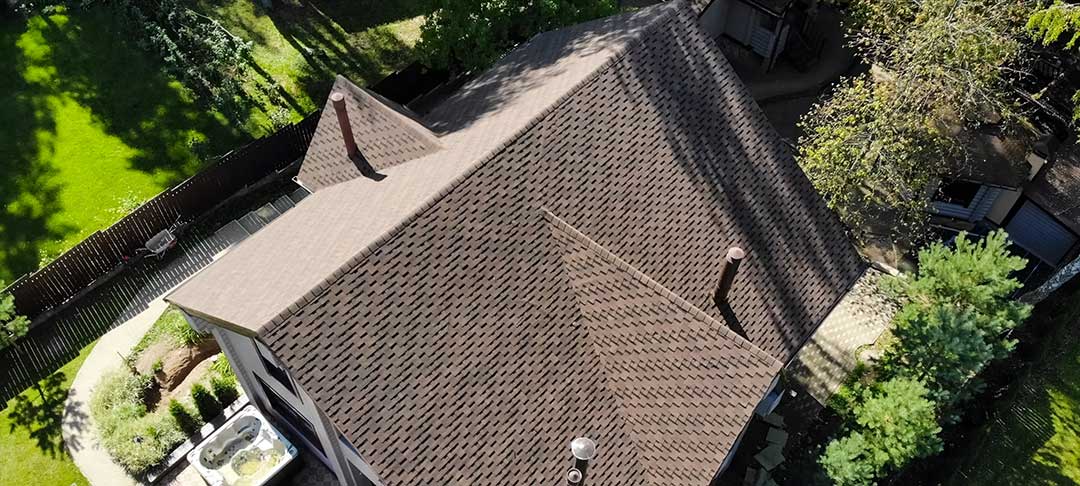
Leaks around these features may come from the flashing itself, nearby shingles, condensation, or a problem with the window or frame. The first visible drip does not always identify the failed component.
How does Hamburg’s weather affect flashing?
Seasonal weather can place repeated stress on roof joints. Heavy rain tests how well flashing sheds water, while snow and ice can remain against vulnerable transitions for extended periods.
Freeze-thaw cycles are also significant. Water that enters a small opening can freeze, expand, and enlarge the gap. Repeated expansion and contraction may loosen fasteners, separate sealant, or stress roofing materials.
Wind can lift exposed edges or drive rain into areas that normally handle ordinary runoff. Falling branches and roof debris may bend flashing or damage the shingles layered over it.
These conditions do not mean every roof will develop flashing problems. They do mean that joints and penetrations deserve attention, especially after severe weather or when a roof is already several years old.
What are common signs of flashing trouble?
Some signs are easy to spot, while others require looking in the attic or around roof features.
Possible warning signs include:
- Water stains that appear after rain or melting snow
- Damp or musty odors in the attic
- Rust marks on flashing or nearby fasteners
- Bent, lifted, or missing metal
- Cracked sealant around a chimney or vent
- Shingles that are loose near a wall, valley, or roof penetration
- Damp insulation or darkened roof decking
- Paint bubbling near upper-floor ceilings or walls
A leak that appears only during wind-driven rain may point to a flashing or roof-edge issue. A leak that appears during warm weather after snow may be related to melting ice, blocked drainage, or an opening exposed as snow shifts.
Can roof flashing be repaired, or does it need replacement?
The answer depends on the condition of the flashing and the surrounding roof materials. A small displaced piece may be reset if the underlying components remain sound. Corroded, split, badly bent, or incorrectly installed flashing generally needs replacement rather than a surface patch.
The repair must also address how the flashing is layered. Adding caulk around an exposed joint may temporarily reduce water entry, but sealant can crack, shrink, or detach. Flashing works best when it is integrated with shingles, underlayment, siding, masonry, or other adjacent materials.
Replacing nearby shingles without correcting the flashing can leave the original leak in place. Conversely, replacing flashing without addressing damaged decking or wall materials may not resolve the entire problem.
What can homeowners check safely?
From the ground, residents can look for missing shingles, loose metal, visible rust, damaged chimney mortar, or debris collecting in valleys. Inside the attic, a flashlight can help identify damp insulation, water marks, or darkened wood, but entering an attic is not advisable where flooring is incomplete or structural conditions are uncertain.
Roof surfaces become particularly hazardous when wet, icy, steep, or covered with debris. Walking on them can also damage shingles and flashing. Any inspection involving steep slopes, fragile materials, electrical hazards, or suspected structural damage should be handled with appropriate safety precautions.
Flashing is a relatively small part of a roof, but it protects some of the roof’s most vulnerable locations. Understanding where it is installed and how it fails makes it easier to recognize early warning signs before a minor opening becomes widespread moisture damage.
