
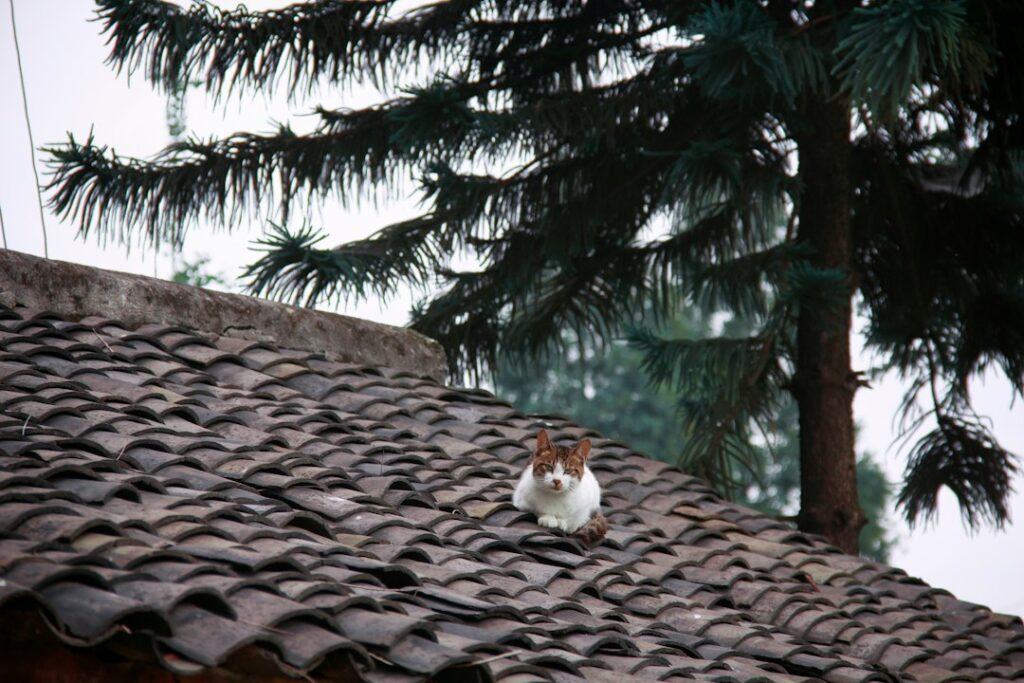
Why animal activity can affect roof integrity
Animals can damage more than shingles. Birds, squirrels, raccoons, bats, insects, and other wildlife may create openings, disturb roofing materials, block drainage, or introduce moisture into roof and attic assemblies.
In Hamburg, NY, seasonal weather can make these problems more serious. Freeze-thaw cycles, snow, wind, rain, and summer humidity can enlarge small openings and accelerate deterioration. A roof may appear intact from the ground while damage is developing underneath.
Animal-related roof problems usually begin at vulnerable areas such as:
- Roof edges and soffits
- Fascia boards and trim
- Ridge vents and other ventilation openings
- Chimney flashing
- Plumbing vent areas
- Skylight edges
- Loose or missing shingles
- Valleys where debris collects
The main concern is not simply the presence of an animal. The greater risk comes from how the animal gains access, what it damages while entering, and whether moisture can follow the same path.
Which animals commonly damage roofs?
Different animals leave different types of evidence. Recognizing the likely cause can help explain why a roof is deteriorating.
Squirrels may chew through fascia, soffits, roof vents, and other materials to reach a dry nesting area. Their activity can damage electrical wiring, insulation, and wood framing inside the attic.
Raccoons are strong enough to loosen shingles, bend flashing, tear vent covers, and enlarge small openings. A raccoon entering beneath a roof edge can cause substantial damage in a short time.
Birds may nest beneath loose shingles, inside vents, or behind damaged soffits. Nesting materials can block ventilation or drainage and may retain moisture against wood components.
Bats often use narrow openings near roof edges, gable vents, and flashing transitions. Their presence may not be obvious until staining, odors, or repeated entry and exit are noticed.
Insects such as carpenter ants, wasps, and bees can take advantage of damp or softened wood. In many cases, insect activity is a symptom of an existing moisture problem rather than the original cause.
Rodents may enter through small openings and damage insulation, wiring, and stored materials. Their movement can also disturb air-sealing and attic ventilation.
Can animals cause a roof leak?
Yes. Animals can create or enlarge openings that allow rain, melting snow, and wind-driven water into the roof system.
A leak may result when an animal:
- Removes or breaks shingles
- Tears a membrane around a vent
- Dislodges flashing
- Chews through a soffit or roof edge
- Blocks a drainage path with nesting material
- Creates a gap between roofing materials and trim
Water does not always appear directly below the entry point. It may travel along rafters, roof decking, insulation, or interior framing before producing a ceiling stain. A small stain may therefore indicate a larger concealed problem.
Snow and ice can expose weaknesses that are not noticeable during dry weather. Melting water may move beneath damaged shingles, while repeated freezing can widen cracks and separate roofing components.
What signs suggest animal-related roof damage?
Some signs are visible from the ground, while others appear inside the house.
Exterior warning signs include:
- Missing, lifted, or curled shingles
- Torn vent screens or damaged covers
- Gaps along soffits, fascia, or roof edges
- Droppings or nesting material near openings
- Scratches, gnaw marks, or disturbed flashing
- Loose chimney or vent flashing
- Damp leaves or debris trapped in roof valleys
- Repeated animal activity near the same roof area
Interior signs may include:
- Scratching, scurrying, or fluttering sounds
- Unusual odors from the attic
- Ceiling stains or damp insulation
- Daylight visible through roof decking or vents
- Damaged wiring or insulation
- Droppings in the attic
- Increased indoor moisture or mold-like odors

A single sound does not prove that the roof is failing. However, repeated activity combined with visible damage should be treated as a roof-maintenance concern rather than ignored.
How do animals affect shingles, flashing, and roof framing?
Shingles can be punctured, lifted, cracked, or displaced. Once the protective surface is disturbed, ultraviolet exposure and weather can age the surrounding materials more quickly.
Flashing is especially vulnerable because it is installed at joints and transitions. Animals may bend metal around chimneys, walls, vents, and roof edges while trying to enter a structure. Even a small separation can allow water behind the flashing.
Roof decking may soften after repeated moisture exposure. If an opening remains active through several seasons, moisture can reach rafters, trusses, or wall plates. Wood damage may include staining, decay, or loss of strength.
Nesting materials can also create problems. Leaves, grass, insulation, and other debris may block ventilation openings or hold moisture against wood. In winter, blocked ventilation can contribute to uneven roof temperatures and moisture accumulation in the attic.
Should a homeowner repair the opening immediately?
The opening should be evaluated promptly, but permanently sealing it before confirming that animals are out can create another problem. An animal trapped inside a wall or attic may cause additional damage while trying to escape.
A safer sequence is generally:
1. Identify the entry point and determine whether it is active.
2. Check whether young animals, eggs, or occupied nests are present.
3. Address the animal-entry issue in a lawful and humane manner.
4. Inspect nearby roofing, flashing, insulation, wiring, and framing.
5. Repair the opening and any moisture-related damage.
6. Add a suitable barrier that prevents re-entry without blocking required roof ventilation.
Work near roof edges, steep slopes, unstable shingles, or active wildlife can be hazardous. Protective equipment is also important when handling droppings, nesting debris, or contaminated insulation.
Are roof vents an easy entry point?
Roof vents are common entry points when screens, caps, or surrounding materials are damaged. However, sealing a vent completely is not a proper repair because the vent may be part of the attic ventilation system.
The correct approach is to preserve the vent’s airflow while preventing animal access. This may involve replacing damaged components, securing protective screening where appropriate, and repairing the surrounding flashing or shingles.
Ventilation openings should not be covered with improvised materials that restrict airflow. Reduced ventilation can trap heat and moisture in the attic, creating a separate roof-performance problem.
How can local homeowners reduce animal-related roof damage?
Prevention focuses on keeping the roof dry, secure, and easy to inspect.
Useful maintenance steps include:
- Inspecting roof edges and vents after major wind events
- Keeping tree branches from rubbing against the roof
- Removing leaves and nesting material from accessible areas
- Checking attic spaces for daylight, odors, sounds, and damp insulation
- Repairing loose trim and damaged soffits before winter
- Maintaining chimney and vent flashing
- Avoiding food sources that attract wildlife near the home
- Watching for repeated animal activity around the same opening
Older homes, homes with mature trees, and properties with complex roof shapes may have more potential entry points. Seasonal inspections are particularly useful after winter and after periods of strong wind.
Animal damage is easiest to manage when found before water reaches the roof decking or interior framing. A small gap at a roof edge can become a leak, an insulation problem, a ventilation issue, and a structural repair concern if it remains open through repeated weather cycles.
