
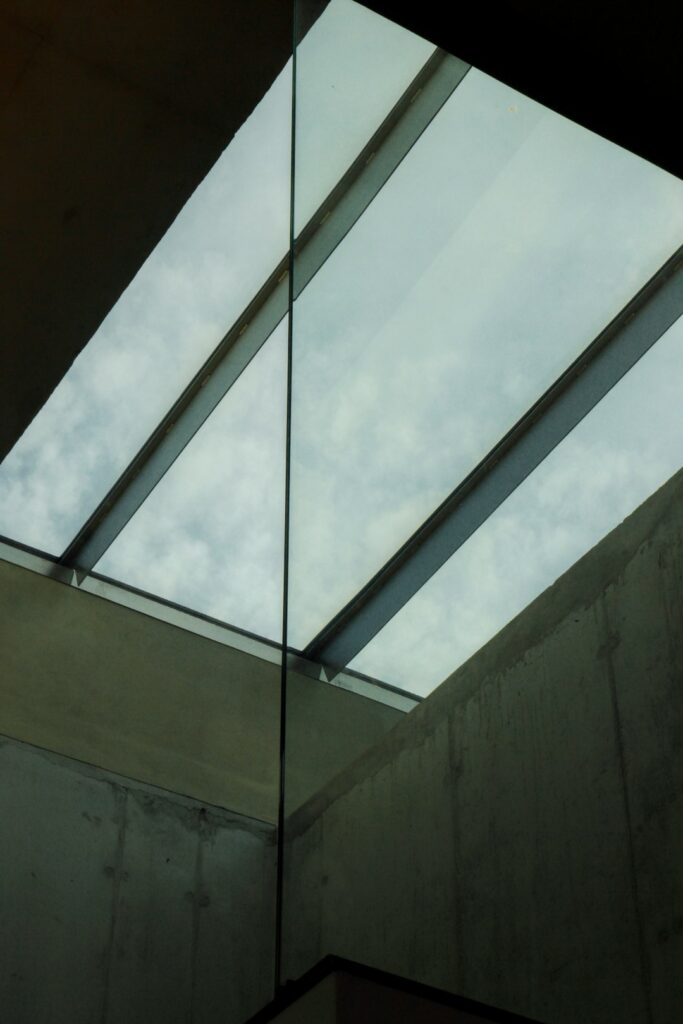
Skylights bring daylight and ventilation into rooms that might otherwise feel dark or enclosed, but they also change how a roof handles water, snow, heat, and maintenance. In Hamburg, NY, where roofs experience freeze-thaw cycles, wind, rain, and periods of heavy snow, the quality of the skylight installation matters as much as the skylight itself.
A skylight is not simply a window placed in the roof. It creates an opening through the roof assembly, so the flashing, underlayment, curb, insulation, and interior air seal all become part of the roof’s weather-protection system.
Do skylights make a roof more likely to leak?
A properly installed skylight should not automatically cause leaks, but every roof penetration creates another possible path for water entry. Most skylight leaks are related to installation details, aging materials, damaged flashing, or water collecting around the unit.
The most vulnerable areas include:
- The flashing around the skylight
- The connection between the skylight and roof covering
- The upper side of the unit, where water and debris move downhill
- Exposed sealants that have cracked or separated
- Roofing materials disturbed during installation or replacement
Water does not always appear directly beside the skylight. It can travel along roof decking, insulation, rafters, or interior finishes before becoming visible as a ceiling stain. That is why a leak near a skylight does not always mean the glass or frame itself has failed.
A small stain may reflect a recent storm, but it can also indicate a longer-term problem that has been hidden until the ceiling material absorbed enough moisture to show it.
How do skylights affect snow and ice on the roof?
Skylights can change the way snow melts. Heat from the room below may warm the skylight surface, causing snow to melt sooner over the opening than on nearby roof areas. The meltwater can then refreeze when it reaches colder portions of the roof or the eaves.
This uneven melting pattern may contribute to ice buildup, especially when temperatures rise during the day and fall below freezing at night. In Hamburg, repeated freeze-thaw conditions can make this more noticeable during winter.
Snow can also collect against the uphill side of a skylight, particularly on lower-slope roofs. The skylight may act as a small obstruction that interrupts the normal flow of snow and water. Heavy accumulation places additional pressure on the surrounding roof framing and flashing.
A skylight is not necessarily the cause of an ice dam, but its location, size, slope, insulation, and surrounding roof design can influence where melting and refreezing occur.
Does a skylight weaken the roof structure?
A skylight requires part of the roof framing to be altered. In many installations, one or more framing members are cut and then supported with additional framing around the opening. When designed correctly, this can preserve the roof’s structural performance.
Problems arise when an opening is made without accounting for:
- The size and position of the skylight
- The direction and spacing of roof rafters or trusses
- Snow loads
- The weight of the skylight and surrounding materials
- The need for proper framing around the opening
New York’s residential building requirements include provisions for skylights, roof openings, glazing, curb height, and structural support. The requirements can vary according to roof slope, skylight type, and the nature of the building. A particularly low-slope roof may require a raised curb rather than a skylight installed flush with the roof surface.
The framing issue is especially relevant when a skylight is added to an existing roof rather than incorporated into the original design. A roof can look sound from the outside while still having inadequate support around an altered opening.
Can skylights affect heating and cooling costs?
Yes. Skylights can either help or hurt energy performance depending on their size, orientation, glazing, shading, and installation quality.
A skylight can provide useful daylight and, during some parts of the year, add solar heat. However, glass or plastic glazing generally transfers heat differently from an insulated roof assembly. In winter, a poorly insulated or poorly sealed skylight may contribute to heat loss. In summer, direct sunlight can raise indoor temperatures and increase cooling demand.
Important performance factors include:
- U-factor: how readily heat passes through the skylight
- Solar heat gain coefficient: how much solar radiation enters the room as heat
- Air leakage: how well the unit and surrounding opening are sealed
- Glazing type: single-pane, double-pane, laminated, or other construction
- Interior shading: blinds or shades that reduce glare and solar gain
The shaft beneath the skylight also matters. If the shaft is poorly insulated or has gaps in its air barrier, warm indoor air can reach cold roof materials. That can lead to condensation, damp insulation, and eventually deterioration around the opening.
Why does condensation form around a skylight?
Condensation occurs when warm, moisture-laden indoor air reaches a surface cold enough for water vapor to turn into liquid. Skylights are common locations for this because their interior surfaces can become colder than surrounding ceilings during winter.
Condensation may result from:
- High indoor humidity
- Poor insulation around the skylight shaft
- Gaps in the air seal
- Inadequate ventilation in kitchens or bathrooms
- A cold interior frame or glazing surface
- Blocked or missing ventilation components in the roof assembly

Condensation is not the same as a roof leak. Water droplets on the interior frame or dampness that appears during cold weather may point to indoor moisture rather than rain entering from above. Both conditions can damage finishes, though, and both deserve attention if they happen repeatedly.
Do skylights shorten the life of roofing materials?
A skylight can create more maintenance-sensitive areas, but it does not automatically shorten the life of the entire roof. The surrounding materials may age differently because of added flashing, heat exposure, snow movement, and repair work.
Roofing near a skylight can deteriorate sooner if:
- Flashing is damaged or improperly integrated
- Sealants are used as a substitute for proper flashing
- The skylight leaks repeatedly
- Debris collects around the frame
- Ice or snow is removed with tools that damage the roof covering
- A replacement skylight does not match the existing opening
A roof replacement also requires careful coordination. Replacing the roof covering while leaving an old, brittle skylight in place can result in a new roof surrounding an aging component. On the other hand, replacing a skylight without evaluating the condition of the roof opening can leave old problems hidden beneath new materials.
What signs suggest a skylight needs attention?
Visible warning signs include:
- Brown or yellow ceiling stains
- Bubbling paint or damaged drywall near the shaft
- Damp insulation
- Water appearing after rain or melting snow
- Fog or moisture trapped between glazing layers
- Cracked, yellowed, or brittle glazing
- Drafts around the interior trim
- Staining or corrosion on the frame
- Repeated condensation during cold weather
- Missing, loose, or damaged exterior flashing
The timing of the problem can provide useful clues. Water after wind-driven rain may point to flashing or drainage issues. Moisture during very cold weather may suggest condensation or air leakage. Problems that appear during rapid snowmelt may involve ice, blocked drainage, or water backing up around the skylight.
Skylights can be a valuable part of a home’s design, but they require the roof to perform around an opening rather than across a continuous surface. In a climate with snowy winters and frequent temperature changes, durable flashing, sound framing, proper insulation, and regular visual checks are central to keeping that opening watertight and energy-efficient.
