
How Do Flat and Sloped Roofs Differ in Function and Appearance?
Flat roofs and sloped roofs are the two main types seen on residential properties, each with its own way of handling weather and shaping a home's look. In Hamburg, NY, most single-family homes feature a sloped roof, but flat roofs also appear, especially on garages, additions, or some modern homes.
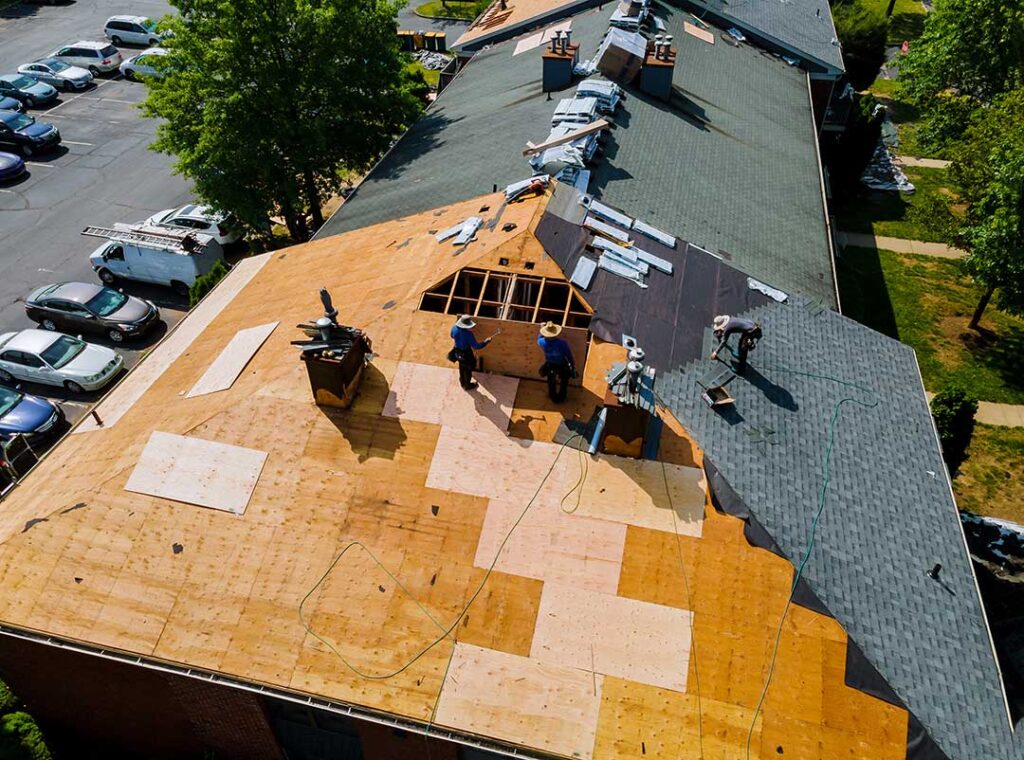
Flat roofs are nearly level with only a slight pitch for drainage, creating a modern aesthetic and allowing potential roof uses such as rooftop decks. In contrast, sloped roofs have a visible incline, which helps shed rain and snow naturally and shapes the classic residential profile seen across much of the city.
Which Type Handles Hamburg’s Weather Better?
Sloped roofs generally handle the local climate—heavy snow, rain, and seasonal freeze-thaw cycles—more effectively than flat roofs. Their incline helps snow, ice, and rain slide off instead of pooling.
- Sloped Roofs: Reduced risk of leaks, ice dams, and structural strain from heavy snow.
- Flat Roofs: Require meticulous drainage design; water or snow can pool and freeze, which increases maintenance needs. These roofs are more common on non-residential buildings or modern add-ons in the area.
Are Flat Roofs Ever a Practical Choice for Local Homes?
Flat roofs can make sense for smaller structures or additions where space efficiency is a priority, such as garages, porches, or contemporary home designs. Their ease of access simplifies some maintenance tasks and supports features like rooftop patios or solar panels.
However, in Hamburg, heavy snow and rain need special attention. Flat roofs require well-maintained drainage outlets and regular checks, since pooling water or ice buildup can lead to leaks or structural issues.
How Does Roof Shape Affect Energy Use and Comfort?
Roof design impacts insulation, ventilation, and indoor comfort in local homes.
- Sloped Roofs: Often have attic spaces, allowing for better airflow and extra insulation. This helps regulate indoor temperature and reduce the risk of condensation or mold.
- Flat Roofs: Typically involve thinner roof assemblies without attics, requiring high-quality insulation and vapor barriers to avoid heat loss or moisture problems, especially in cold or wet months.
In Hamburg’s cold winters and warm summers, well-insulated sloped roofs often outperform flat roofs in energy conservation, unless the flat roof is built to modern energy standards.
What Kind of Maintenance Is Involved?
Flat roofs usually demand more attention in Hamburg, as tiny drainage issues can quickly escalate. Residents with flat roofs should expect twice-yearly inspections:
- Cleaning leaves and debris from drains
- Checking for soft spots or ponding water after storms
- Watching for cracks, especially near seams and flashings
Sloped roofs require periodic checks for missing or damaged shingles and regular gutter cleanout, but snow, rain, and leaves generally move off the surface more easily.
Is There a Difference in Lifespan?
Roof lifespan depends heavily on material, installation, and upkeep, but style also matters:
- Sloped Roofs: Shingle roofs commonly last 20-30 years, while some metal or tile systems last longer with routine care.
- Flat Roofs: Membrane systems can last 15-25 years but might require more frequent minor repairs. In the city, severe weather can sometimes shorten a flat roof’s effective lifespan if issues go undetected.
How Do Roof Types Influence Resale and Curb Appeal?
In Hamburg, sloped roof homes reflect traditional architectural tastes and tend to match local buyer expectations. A home with a well-maintained sloped roof typically feels familiar and visually fits established neighborhoods.
Flat roofs, while stylish and valuable for certain modern homes, may stand out—sometimes benefiting unique properties, but also raising questions among buyers new to this roof style due to concerns about maintenance and weather resistance.
Is One More Cost-Effective Locally?
Upfront installation for flat roofs is sometimes less expensive due to simpler framing and materials, but ongoing maintenance and the potential for repairs may offset initial savings over time.
Sloped roofs are usually costlier to install, especially with complex shapes or premium materials, but their durability and lower maintenance needs over decades often balance out the initial investment. Local building codes and insurance requirements may also influence the total cost of ownership.
What Should Residents Consider Before Deciding?
No single answer fits every home. When weighing roof shape, consider:
- Expected snow loads and rain in your neighborhood
- Desired architectural style or uses for the roof area (deck, solar panels, etc.)
- Willingness for ongoing inspections and maintenance
- Energy efficiency goals and insulation needs
- Resale expectations and fitting in with surrounding homes
- Your current roof’s structural design and what modifications are feasible
Asking questions about drainage, insulation, and maintenance can help area residents choose the best roof for long-term performance and peace of mind, especially given the weather demands in the local climate.
