
What Causes Shingle Curling and Cracking?
Shingle curling and cracking are typically signs of aging or weather-related wear on asphalt roofing, especially in climates like Hamburg, NY’s with significant seasonal shifts. Curling happens when the corners or edges of shingles lift or turn upward, while cracking means the surface of the shingle develops splits.
Several factors can lead to these problems in area homes:
- Natural weathering over time, especially after harsh winters and freeze-thaw cycles common in the city.
- Poor attic ventilation, allowing excess heat and moisture to damage shingles from underneath.
- Inadequate installation practices that don’t suit the demands of local weather.
- Subpar materials or older generations of shingles prone to faster deterioration.
- Repeated exposure to strong sunlight during summer and ice damming during winter, accelerating aging.
While these issues develop slowly, they gradually compromise the roof’s ability to protect the home from rain and snow.
How Can You Tell If Shingles Are Curling or Cracking?
Curling shingles have edges that visibly lift up or cup inward, making the surface look uneven. Cracked shingles show fine lines or splits, often running across the width of the shingle. On Hamburg homes, both signs may be most obvious after stormy or icy weather.
Local residents can check for:
- Shingles that don’t lie flat against the roof.
- Surface lines, splits, or visible gaps in the shingles.
- Accumulation of granules in gutters (a sign of aging shingles).
- Damp patches or minor leaks under the roof after rain or thaw.
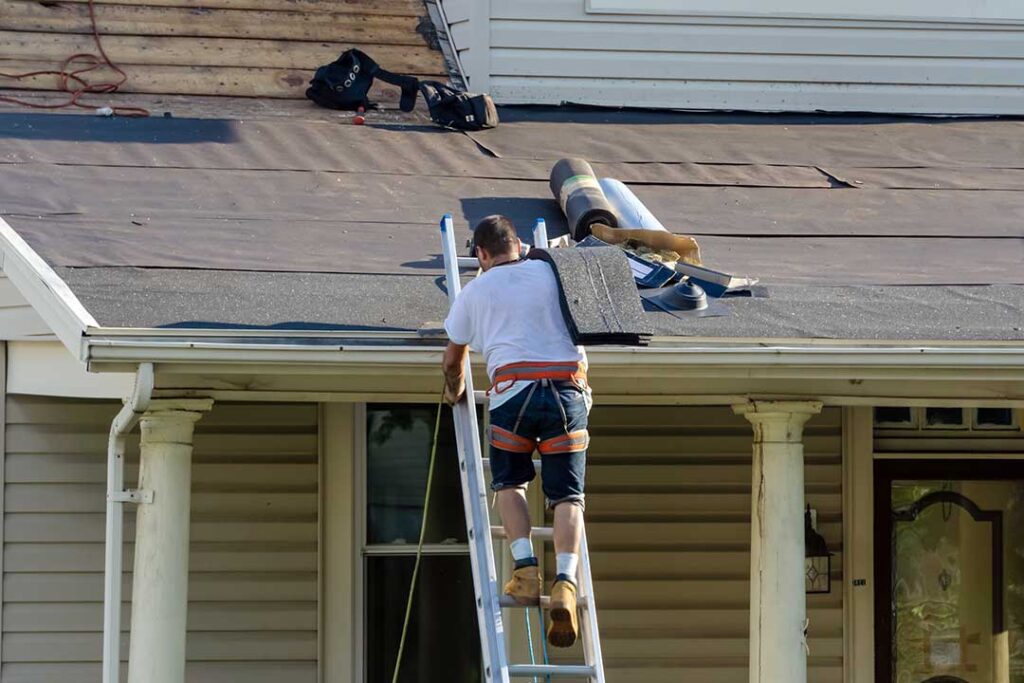
Often, areas most exposed to wind and sun, such as roof peaks and south-facing slopes, show damage first. Observing the roof from the ground with binoculars or from a ladder (if safely possible) helps homeowners spot problems early.
Are Curling and Cracking Urgent Problems?
Minor curling or small, isolated cracks generally don’t demand immediate emergency repair. However, these conditions can allow water infiltration and steadily worsen if ignored. In Hamburg, where heavy rain, snow, and ice dams are common, damaged shingles can lead to roof leaks, deeper structural damage, and potential for mold growth in attic spaces.
Neglecting these symptoms puts area households at risk for:
- Expanding roof leaks, especially after snow-melt events.
- Blown-off shingles during windstorms.
- Decay in the wood decking beneath the roof.
Taking action promptly prevents minor damage from turning into extensive repairs later on.
What Can Local Homeowners Do About Shingle Curling and Cracking?
There are both short-term and long-term measures local residents can use to manage curling or cracking shingles, depending on severity.
Short-term approaches:
- Secure slightly curled shingles with roofing cement applied underneath the lifted corners.
- Seal minor cracks with a compatible roof sealant that maintains flexibility.
- Remove debris and trim overhanging branches to reduce additional wear on vulnerable spots.
These measures can buy time, especially right before seasonal storms, but are rarely permanent fixes.
Long-term solutions:
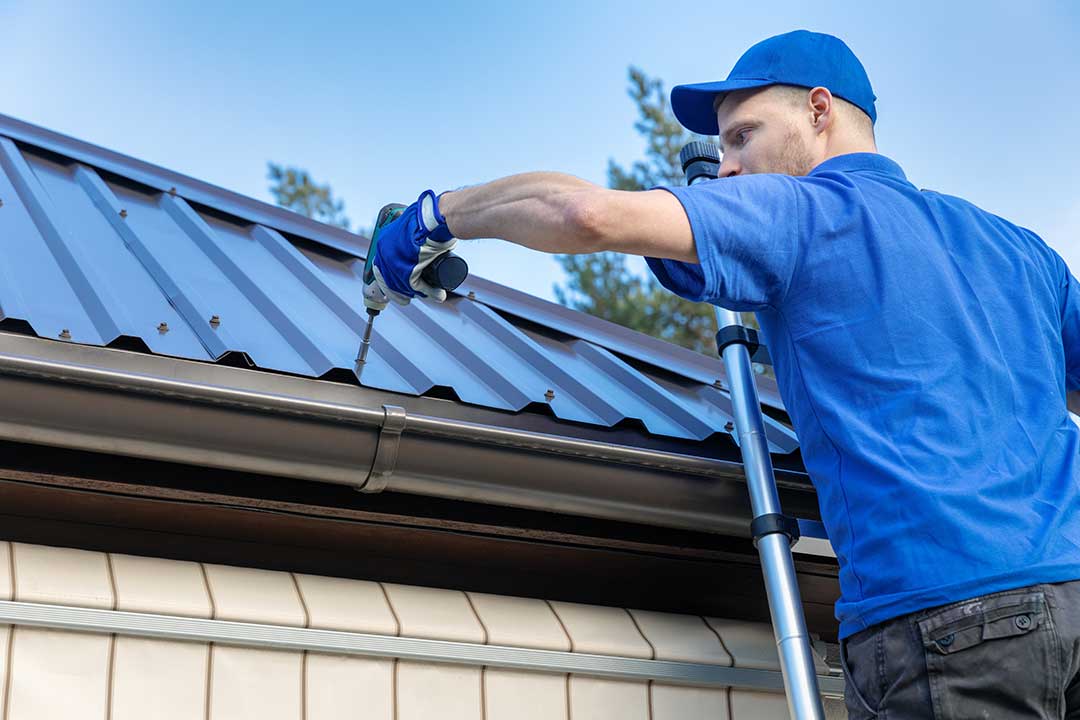
- For widespread or advanced curling and cracking, partial or full shingle replacement becomes necessary. This is especially true on older roofs or when cracking is present across an entire section.
- Improving attic ventilation through additional vents or insulation upgrades reduces future roof stress by keeping temperatures and humidity balanced.
- Annual roof inspections, especially after harsh winters, help spot small issues before they escalate.
Action taken depends on the age and overall condition of the roof. Homeowners with asphalt shingles nearing the end of their typical local lifespan (usually 20–25 years in Hamburg’s climate) may need to plan for more significant updates.
Can Curling and Cracking Be Prevented in New Roofs?
While no roof is immune to age, Hamburg homeowners can minimize curling and cracking risks by:
- Choosing materials rated for regional temperature swings and precipitation.
- Ensuring proper installation with attention to ice barriers, ventilation, and underlayment.
- Attic moisture and heat regulation using baffles, vents, and adequate insulation.
Regular seasonal checks, gutter cleaning, and prompt handling of ice dams or debris can also help, especially after significant storms.
Should You Repair or Replace Shingles—and When?
The choice between repairing or replacing shingles often depends on the pattern and extent of damage:
- Individual curled or cracked shingles can be repaired or replaced in isolation if the rest of the roof is in good condition.
- Multiple damaged shingles in widespread areas signal the roof is nearing the end of its service life.
- Severe granule loss, frequent leaks, or sagging decking are signs replacement may be more sensible than ongoing repairs.
Area homeowners sometimes think patching is always the most cost-effective option. But, patch jobs on roofs older than 15 to 20 years may only offer a short reprieve before further problems arise.
If there’s uncertainty, especially with hard-to-access roofs or steep pitches, it’s safer for residents to consult resources on safe inspection practices before attempting DIY work.
Common Misconceptions About Shingle Damage
A few myths sometimes lead local residents to underestimate the seriousness of curling and cracking:
- Believing that damaged shingles only matter if the roof leaks—damage often develops long before water gets inside.
- Assuming curled shingles will flatten out after rain—they rarely do and often worsen with continued weathering.
- Thinking repairs can always wait until spring—freeze-thaw cycles can turn minor issues into bigger dangers by the next season.
Being proactive and watching for subtle changes helps households avoid unexpected roofing problems in the middle of winter or during stormy springs.
