
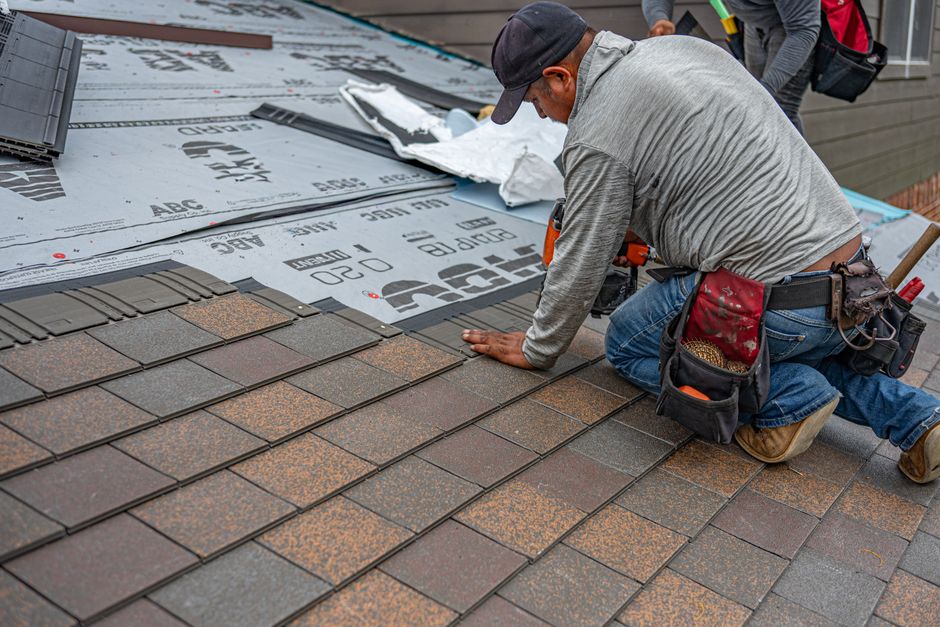
Roof underlayment is the protective layer installed between a roof deck and the outer roofing material. Although it is hidden after installation, it helps manage water that gets beneath shingles, reduces exposure to wind-driven moisture, and protects the roof structure during the life of the roofing system.
For homes in Hamburg, NY, underlayment deserves particular attention because roofs must handle freeze-thaw cycles, heavy rain, snow, ice buildup, and occasional strong winds. Understanding its purpose makes it easier to evaluate roof condition, replacement plans, and common roofing terminology.
What does roof underlayment do?
Roof underlayment provides a secondary layer of protection below shingles or other roof coverings. Shingles are designed to shed most water, but no roof covering is completely immune to wind-driven rain, melting snow, damaged tabs, or small installation gaps.
Underlayment helps by:
- Directing incidental moisture toward the roof edges
- Protecting the roof deck before the outer covering is installed
- Reducing the chance that water reaches wood sheathing
- Separating some roofing materials from the roof deck
- Providing temporary protection during construction, depending on the material and weather
- Helping protect vulnerable areas such as valleys, eaves, and roof penetrations
It is not a substitute for properly installed shingles, flashing, ventilation, or drainage. Instead, it is one part of a complete roof system.
Where is underlayment installed?
Underlayment is generally installed over the roof deck and beneath the primary roof covering. The roof deck is the structural surface made from materials such as plywood or oriented strand board.
The material is typically laid in overlapping courses that follow the slope of the roof. Proper overlap matters because water must move over the layers rather than finding a seam that leads beneath them.
Special attention is usually given to:
- Lower roof edges where ice can form
- Valleys where two roof slopes meet
- Areas around chimneys, skylights, vents, and plumbing pipes
- Roof sections with low slopes
- Locations where different roofing materials meet
The exact installation pattern depends on the underlayment type, roof design, roof covering, slope, and applicable building requirements.
What are the main types of roof underlayment?
The three commonly discussed categories are asphalt-saturated felt, synthetic underlayment, and self-adhering membrane.
Asphalt-saturated felt
Often called roofing felt, this traditional material has been used for many decades. It is made from a paper or fiberglass base saturated with asphalt.
Felt is generally less expensive and can perform well when installed correctly. However, it may tear more easily during installation, absorb moisture if exposed for too long, and become less stable after prolonged exposure to weather.
Synthetic underlayment
Synthetic underlayment is made from manufactured polymer materials. It is usually lighter than felt, more resistant to tearing, and easier to handle across large roof areas.
Many synthetic products resist moisture absorption and can remain exposed for a limited period during construction. The allowed exposure time varies by product, so the material’s installation instructions matter.
Synthetic underlayment is common in modern roofing systems, but its quality and performance still depend on correct fastening, overlaps, and detailing.
Self-adhering membrane
Self-adhering membranes have a sticky backing that bonds to the roof deck or another prepared surface. They are often used in areas that need extra protection from water, such as eaves, valleys, and roof penetrations.
These membranes can help reduce water intrusion from wind-driven rain or ice-related backup. Installation requires careful surface preparation, proper alignment, and attention to temperature and adhesion conditions.
A self-adhering membrane does not mean every part of the roof needs to be covered with the same material. Different sections may use different layers as part of a coordinated system.
Why does underlayment matter during Hamburg winters?
Winter weather can expose weaknesses that are not obvious during warmer months. Snow may melt over warmer portions of a roof and refreeze near colder eaves, creating conditions that allow water to back up beneath the outer roof covering.
Underlayment may help limit damage if water moves under shingles, but it cannot correct poor attic insulation, inadequate ventilation, blocked drainage, or improperly installed flashing.
In this region, roof performance is also affected by repeated freezing and thawing. Moisture can enter small openings, freeze, expand, and gradually enlarge those openings. A sound underlayment layer helps protect the roof deck, but the entire assembly must be designed and maintained to manage moisture.
Is underlayment waterproof?
Not every underlayment is fully waterproof, and the terms “water-resistant” and “waterproof” should not be treated as interchangeable.
Some materials are designed primarily to resist incidental moisture. Self-adhering membranes generally provide a stronger water-shedding seal, especially when properly bonded and integrated with flashing. Even then, seams, fasteners, edges, and transitions must be installed correctly.
Underlayment should be viewed as a backup water-management layer rather than a permanent exposed roof surface. Long-term protection depends on the outer roof covering, flashing, drainage, ventilation, and structural condition.
Can damaged underlayment cause a roof leak?
Yes, but underlayment is not always the first or only cause of a leak. Water can enter through damaged shingles, failed flashing, open seams, exposed fasteners, poorly sealed penetrations, or clogged drainage paths.
Because water can travel along the underside of the roof deck before appearing inside, the visible ceiling stain may be several feet away from the actual entry point. A leak may also appear only during certain wind directions, heavy rain, or snowmelt.
Signs that may justify closer inspection include:
- Water stains or bubbling paint on ceilings
- Damp insulation in the attic
- Darkened or deteriorated roof decking
- Musty odors near the roof structure
- Repeated leaks in the same area
- Shingle damage following wind or ice conditions
The underlayment itself is usually hidden, so its condition may not be confirmed without examining the roof covering or exposed sections of the roof assembly.
Does a roof replacement always require new underlayment?
A roof replacement generally involves installing new underlayment because the existing layer may be brittle, torn, fastened through repeatedly, or incompatible with the new roof covering.
Reusing old underlayment can leave hidden defects beneath a new roof. It may also make it harder to install modern water-protection details around eaves, valleys, and penetrations.
During a replacement, the roof deck should be evaluated as well. Wet, soft, delaminated, or deteriorated decking may need attention before new layers are installed. Covering damaged wood can conceal a structural or moisture problem rather than solve it.
How should homeowners evaluate underlayment work?
A homeowner may not be able to see most of the underlayment after a roof is finished, but several questions are useful during planning or inspection:
- What type of underlayment is being used?
- Which areas receive self-adhering membrane or other enhanced protection?
- How long may the material remain exposed?
- How are valleys, eaves, vents, and roof edges detailed?
- Are the roof deck and attic showing signs of moisture damage?
- Are installation methods consistent with the roofing material and roof slope?
Product labels, written specifications, and photographs taken before the outer covering is installed can provide useful records.
Roof underlayment is easy to overlook because it disappears beneath the finished roof. In practice, it serves as a quiet but essential part of moisture control, especially on homes exposed to snow, rain, wind, and repeated seasonal temperature changes.
