
A roof leak can begin as a small stain and become a serious interior or structural problem within hours. The safest response is to control the water, protect people and belongings, document what happened, and avoid making roof repairs under unsafe conditions.
What should you do first?
Move people, pets, furniture, electronics, and other valuables away from the affected area. Place a bucket or container beneath active dripping, but do not stand on furniture or climb near electrical fixtures to catch the water.
If water is spreading near light fixtures, outlets, appliances, or wiring, avoid touching the area. If it can be done safely from a dry location, shut off power to the affected circuit. Do not enter a room with standing water if electrical hazards may be present.
A bulging ceiling may contain a significant amount of water. Keep clear of the area and do not puncture the ceiling unless directed by a qualified emergency professional who can assess the electrical and structural risks.
How can you slow or control the damage?
If the leak is active, use towels, plastic containers, or a tarp indoors to limit the spread of water. Protect flooring with plastic sheeting, but avoid creating a slipping hazard.
If attic access is safe, look for wet insulation, darkened roof decking, or water trails. The visible ceiling stain may not be directly below the roof opening. Water can travel along rafters, trusses, insulation, or the tops of ceilings before appearing indoors.
Do not climb onto the roof during rain, snow, ice, strong wind, or darkness. Wet asphalt shingles, metal surfaces, and roof edges are extremely slippery. Hamburg homes also experience freeze-thaw cycles, heavy snow, and wind-driven precipitation, all of which can make roof surfaces especially hazardous during an active leak.
A tarp may help limit additional water entry when installed from the ground or by someone properly equipped to work safely. A loose sheet of plastic, however, can tear, trap water, or create a dangerous climbing situation. Temporary covering is not a substitute for finding and correcting the source.
How do you find where the leak is coming from?
The point where water appears inside does not always identify the roof defect. Common entry points include:
- Damaged, missing, or aging shingles
- Failed flashing around chimneys, walls, skylights, and roof edges
- Blocked or poorly draining valleys
- Loose or deteriorated pipe boots
- Ice dams forming along eaves
- Wind-driven rain entering beneath roof coverings
- Condensation or plumbing leaks mistaken for roof leaks
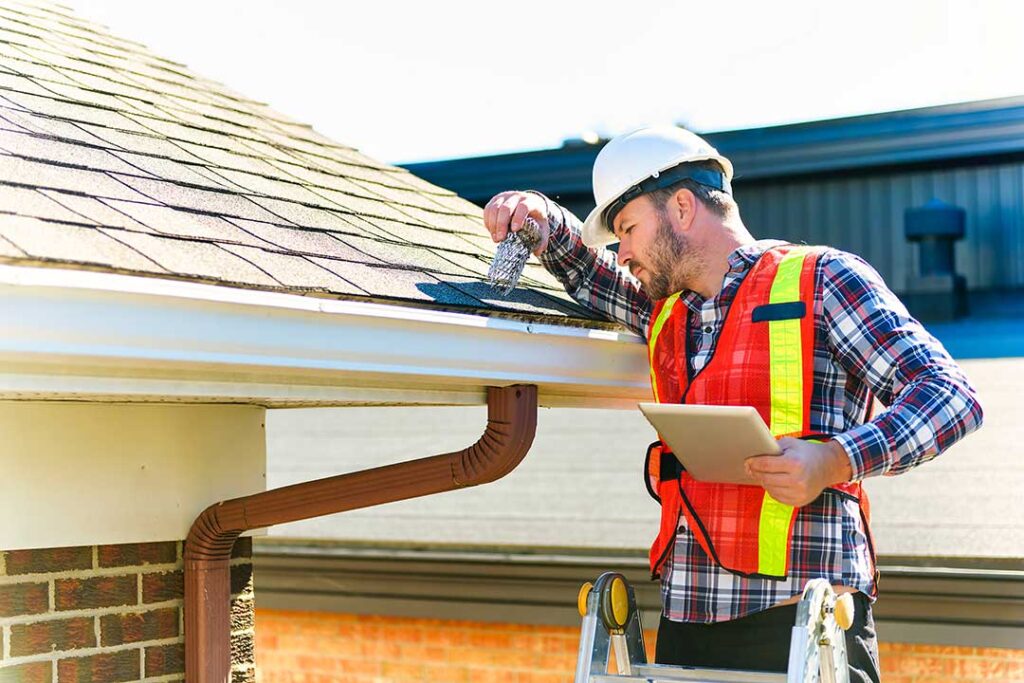
During dry weather, inspect the roof from the ground with binoculars. Look for missing shingles, lifted edges, exposed underlayment, damaged flashing, sagging areas, or debris collecting in valleys. Do not rely on a ground inspection to confirm that a roof is safe to walk on.
Water stains can also come from sources above the ceiling that are not related to roofing. Plumbing vents, bathroom exhaust ducts, attic condensation, and heating or cooling equipment may create similar symptoms. A leak that appears only during cold weather could involve condensation or ice buildup rather than a straightforward opening in the roof.
What should you document?
Take photographs and notes as soon as conditions are safe. Record:
- The date and approximate time the leak was discovered
- Weather conditions, including rain, snow, wind, or rapid temperature changes
- The rooms and materials affected
- The location and size of ceiling or wall stains
- Visible damage to roofing, flashing, gutters, or attic materials
- Steps taken to prevent further interior damage
Keep damaged materials if they must be removed, unless they present a health or safety hazard. Documentation can help explain the sequence of events to a property insurer, landlord, building manager, or repair professional.
Do not discard receipts for emergency cleanup, temporary materials, or damaged household items. Insurance coverage varies by policy, and documentation does not guarantee reimbursement, but incomplete records can make the situation harder to evaluate.
Should you repair the roof yourself?
A homeowner may be able to perform a limited visual inspection from the ground or place a container under an indoor drip. Roof repairs are different. Walking on a steep, wet, icy, snow-covered, or damaged roof can result in a serious fall.
Avoid climbing onto the roof if:
- The surface is wet, icy, snow-covered, or visibly unstable
- The roof is steep or difficult to access
- Wind is strong
- The leak is near electrical equipment
- The roof deck appears soft or sagging
- A ladder cannot be placed on firm, level ground
- The person inspecting lacks fall-protection equipment and training
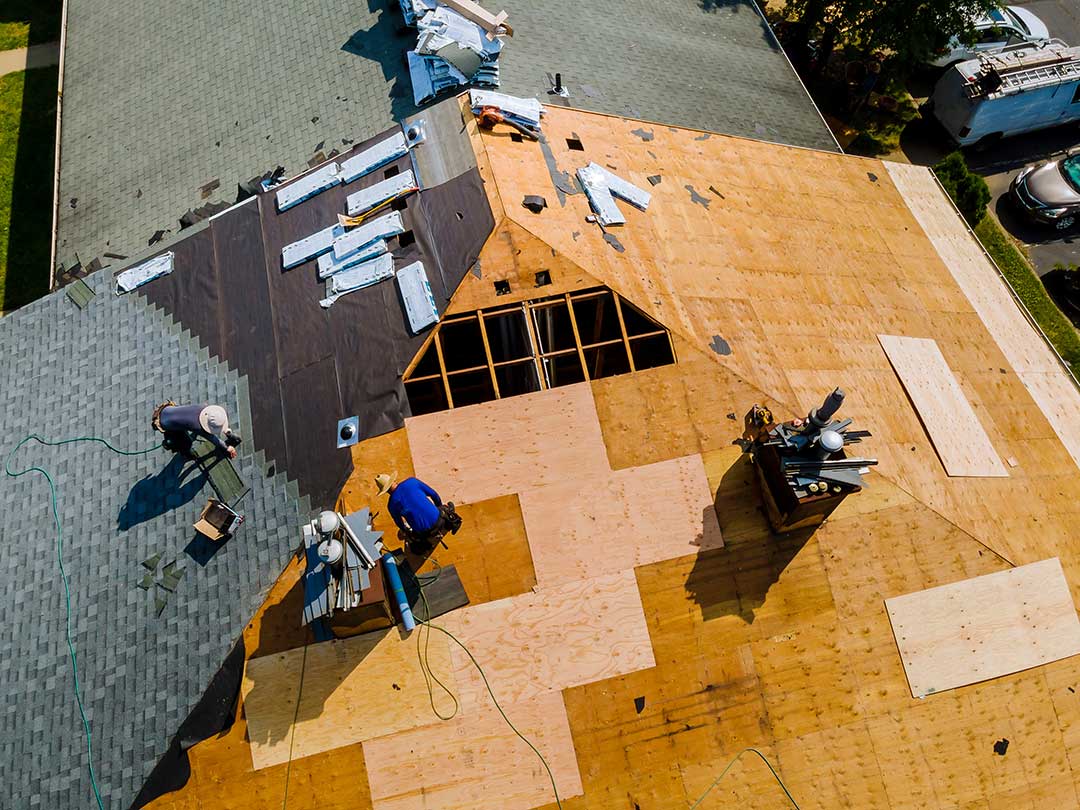
Roofing materials can also be damaged by incorrect repairs. Nailing through flashing, covering a wet area without addressing trapped moisture, or applying sealant in the wrong location may hide the symptom while allowing deterioration to continue.
What should renters do?
Renters should report an active leak to the property owner or manager promptly, preferably in writing. Include photographs, the location of the leak, whether water is actively entering, and whether electrical fixtures or personal belongings are affected.
Do not attempt roof access or exterior repairs. The property owner or responsible manager generally controls building repairs, while the renter should focus on protecting personal belongings and preventing avoidable damage inside the dwelling.
If conditions become unsafe because of electrical hazards, ceiling movement, or extensive water intrusion, leave the affected area until it can be evaluated safely.
How can you reduce the chance of another leak?
Routine observation helps identify problems before they become interior leaks. After major storms and before winter, check the roofline, gutters, downspouts, flashing, and attic for visible changes.
Useful maintenance steps include:
- Keeping gutters and downspouts clear of leaves and ice-related blockages
- Ensuring downspouts discharge water away from the foundation
- Trimming branches that could strike the roof
- Checking attic ventilation and insulation for moisture problems
- Looking for daylight, damp insulation, or water stains in the attic
- Inspecting roof penetrations and flashing without disturbing them
- Watching for recurring ice buildup along eaves
Snow should not be removed from a roof by an untrained person using a ladder or improvised tools. Excessive snow loads, ice dams, and roof damage can interact, and removing snow incorrectly can injure people or damage shingles and flashing.
When is a leak an emergency?
Immediate attention is warranted when water is entering rapidly, the ceiling is sagging, electrical equipment is involved, a large section of roofing is missing, or structural materials appear unstable. Strong winds, heavy snowfall, and freezing temperatures can turn a small opening into a larger problem quickly.
The first priority is always life safety. Control the water indoors only when it can be done without entering a hazardous area. Then preserve records, protect belongings, and arrange for the source to be evaluated under safe conditions.
